If you’ve ever wondered how to help your child move from oral narration to written narration (and eventually into formal essay writing) this conversation with Karen Glass is exactly what you need.
Karen Glass, a longtime homeschool educator and Charlotte Mason expert, breaks down the entire writing journey in a clear, practical, and encouraging way.
Karen explains what narration really is, why it matters, and how it naturally builds the foundation for strong writing skills. She walks through when to introduce written narration, what it should look like in the early stages, and how to avoid common pitfalls that frustrate both parents and students.
One of the most helpful parts of this conversation is learning how to manage expectations. Many homeschool parents feel discouraged when written narrations don’t match the richness of their child’s oral narrations. Karen explains why this is completely normal and how writing develops over time with consistency and patience.
You’ll also learn:
- When to transition from oral to written narration
- Why you should never stop oral narration
- How to handle spelling, grammar, and handwriting
- What realistic expectations look like for young writers
- How to build consistency in your homeschool writing routine
- When your child is ready for formal essay writing
- Simple steps to introduce composition and structure
- Why editing is the key to strong writing
- How to help your child care about writing as a craft
Karen also shares how narration naturally leads into composition, making formal essay writing far less intimidating than many parents expect. By focusing on clear communication, structure, and revision, students can grow into confident writers without the need for complicated programs.
If you’re homeschooling using Charlotte Mason methods (or simply want a more natural, effective approach to teaching writing) this episode will give you both clarity and confidence.
- What Is Narration and Why Does It Matter?
- When to Transition from Oral to Written Narration
- What to Expect in Early Written Narration
- How to Handle Spelling, Grammar, and Structure
- Consistency Over Perfection
- When Has a Child ‘Mastered’ Written Narration?
- Transitioning to Formal Essay Writing
- How to Begin Teaching Essays
- Helping Students Care About Writing
- A Simple Way to Reset a Hard Homeschool Day
- Key Takeaways:
- You may also enjoy:
- Find Karen Glass online:
- Check out all the other interviews in my Homeschool Conversations series!
{This post contains paid links. Please see disclaimer.}
What Is Narration and Why Does It Matter?
Karen defines narration simply as “the process of a student telling back in their own words what they’ve heard or read in a lesson.” She emphasizes that narration builds naturally on a child’s instinct to share ideas and experiences.
Importantly, narration is not just an academic exercise; it is foundational to learning itself. As Karen explains, narration taps into how students process and retain knowledge. “The most important word in written narration is narration,” she says, reminding parents that the act of telling back—not the format—is what truly matters.
When to Transition from Oral to Written Narration
The shift to written narration typically begins around ages 9–10, after a child has developed fluency in oral narration. However, Karen stresses flexibility:
- Younger students need years of oral practice first
- Older students can transition more quickly—but still need time to understand narration itself
One key takeaway: never eliminate oral narration. Karen is clear:
“All the way through senior year of high school, there should be oral narration.”
What to Expect in Early Written Narration
The biggest hurdle for parents? Adjusting expectations.
Karen offers a powerful illustration: asking adults to write with their non-dominant hand to simulate what writing feels like for children. The result? Limited output, frustration, and reduced clarity.
This is exactly what children experience.
“You can’t write as much as you could say.”
Early written narrations may be:
- Short (even 1–2 sentences)
- Grammatically imperfect
- Misspelled
- Less detailed than oral narrations
And that’s not a problem; it’s part of the process.
How to Handle Spelling, Grammar, and Structure
Karen strongly advises separating writing mechanics from narration:
- Teach spelling, grammar, and handwriting through other subjects
- Avoid over-correcting written narrations
- Focus on content, not polish
“We don’t correct them for spelling unless the child wants to.”
Instead, gentle habits can be introduced over time, such as checking for capital letters and periods. The goal is gradual growth, not perfection.
Consistency Over Perfection
Rather than chasing the “perfect method,” Karen emphasizes consistency:
- Start with one written narration per week
- Gradually increase to one per day
- Improvement comes through regular practice
“Anything you do frequently or regularly you improve.”
When Has a Child ‘Mastered’ Written Narration?
Karen offers a practical benchmark: a fluent written narrator can write 150–300 words easily and consistently.
At this stage, writing becomes less of a struggle and more of a natural extension of thinking.
Transitioning to Formal Essay Writing
Formal composition builds directly on narration, but introduces new elements:
- Structure (introduction, body, conclusion)
- Organization of ideas
- Awareness of an audience
Karen highlights a key shift: writing is no longer just for the student…it’s for a reader.
“Writing is a conversation between a writer and a reader.”
How to Begin Teaching Essays
Karen recommends starting simply:
- Take a written narration
- Pull key sentences to form an outline
- Expand each point into a paragraph
This naturally leads into structured essays without overwhelming the student.
She also emphasizes the importance of revision:
“The craft comes in the editing, in the rewriting, in the polishing.”
Helping Students Care About Writing
Rather than focusing on rigid rules, Karen encourages cultivating interest in writing as a craft. Exposure to good writing and thoughtful discussion helps students develop a sense of quality and clarity.
“It’s not how much does the student know, it’s how much does he care.”
A Simple Way to Reset a Hard Homeschool Day
When everything feels off track, Karen’s advice is refreshingly simple:
“Sing. Sit down and sing, put on some music and sing, dance.”
These small resets help regulate stress and restore a peaceful learning environment.
Key Takeaways:
- Narration is the foundation of all writing development
- Written narration should begin after oral fluency develops
- Oral narration should continue through high school
- Early written narrations will be short and imperfect
- Focus on narration, not writing mechanics
- Consistency matters more than perfection
- Spelling and grammar should be taught separately
- Editing is the bridge to formal composition
- Writing is communication with a reader
- Strong writing grows naturally from regular practice
You may also enjoy:
- Homeschooling High School for a Bright Future (with Rachel Kovac)
- Scholé Every Day: Restful Learning for Homeschool Moms
- Narration as the Art of Learning: A Conversation with Adrienne Freas
- Homeschooling Teens with Grace and Wisdom with Elsie Iudicello
- Words, Words, Words: Why (and How) to Teach Writing
- Plutarch for the Homeschool Family (with Dawn Duran)
- Reading, Writing, and Making Connections: Homeschooling High School English (with Betsy Farquhar)
- Modern Miss Mason (with Leah Boden)
- Patience, Wonder, Ignorance, and Joy in a Classical, Charlotte Mason education (with Karen Glass)
Find Karen Glass online:
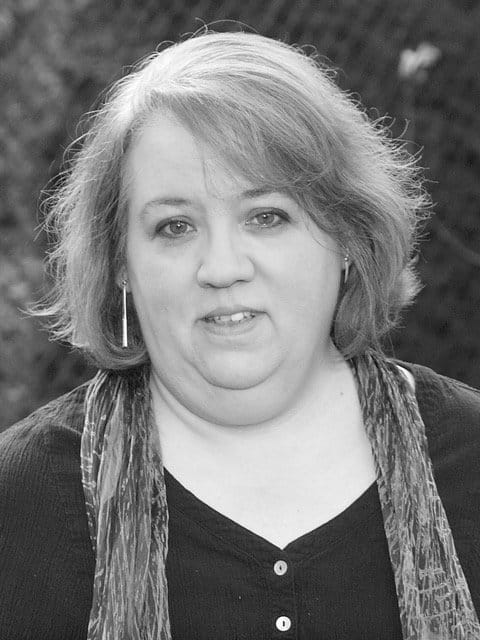
Karen Glass has been studying and learning about Charlotte Mason’s philosophy of education since 1994. She homeschooled her four children who are now all adult graduates, but her passion for this life-giving view of education has not diminished and she welcomes opportunities to share it with others. She has spoken at homeschool conferences, taught online classes, conducted teacher training at schools, and most recently acted as an adjunct professor to teach college-level classes. She is the author of several books based upon Charlotte Mason’s ideas, including Consider This, Know and Tell, In Vital Harmony, and Much May Be Done with Sparrows. After living in Krakow, Poland for almost 25 years, she now lives in rural Indiana where she continues to read, learn, teach, and write.
Check out all the other interviews in my Homeschool Conversations series!
[00:00:00] Amy Sloan: Hello, friends. Today I am delighted to be joined by Karen Glass for her second appearance on the podcast. Karen has been studying and learning about Charlotte Mason’s philosophy of education since 1994. She homeschooled her four children, who are now all adult graduates, but her passion for this life-giving view of education has not diminished, and she welcomes opportunities to to share it with others and with you guys today. She has spoken at homeschool conferences, taught online classes, conducted teacher training, and most recently has acted as an adjunct professor to teach college-level classes. She is the author of several books based upon Charlotte Mason’s ideas, including Consider This, Know and Tell, In Vital Harmony, and Much May Be Done with Sparrows. living in Krakow, Poland for almost 25 years. She now lives in rural Indiana where she continues to read, learn, teach, and write. And I’ll just go ahead and kind of give you a little heads up today, we’re going to be focusing on the transition from narration, oral narration, to written narration, to formal essay writing. We’re just going to get on the surface, but I know this is going to be encouraging and practical, and I’m really excited. So, Karen, at the beginning, just tell us a little bit about yourself, your family, and your experience with kind of homeschooling in general, and then Charlotte
[00:01:30] Karen Glass: Mason in particular. Well, recently, I have been, as I’ve been thinking about it and just looking back on my homeschool experience, and then what I’ve done after homeschooling, as far as writing books and everything. I think that I have reason to be grateful, and probably all of us do, that my oldest child was a natural narrator because he was so good at it when he first started narrating as a six-year-old. So that would have been 1996 that I was able to see immediately how beneficial narration was and made a commitment when he was six years old. We’re going to do this all the way through because I want to see what happens. This is, you know, so different, but it’s really working. All of my other children were just normal narrators, which we all have normal narrators. So, you know, it’s not so glowing from age six. And so I’m just really thankful that my oldest child was that natural narrator so that I did not get discouraged when I was first starting out and I made that commitment to because obviously in 1996 I didn’t know anybody who was really using narration with high schoolers. There wasn’t anybody to say, oh this prepares your child well for writing and here’s some examples that there weren’t any. So it was experimental and so I’m really thankful that my first was a natural narrator because now Now we are all benefiting from the experience of those of us who committed and pioneered our way through high school and taught our kids to write with narration as a foundation without any other outside assistance at all.
[00:03:21] Amy Sloan: I think it’s really encouraging as a reminder to any other moms listening who have, I mean, any more than one child, right? You have, you know, and maybe your first child is natural at some of these things, or maybe Maybe they like really, really struggle and you think, well, maybe narration just isn’t worth it because it was hard for that first child. Maybe your second child will pick it up more easily. I always think about broccoli and vegetables. So my first child just like loved vegetables, like would eat broccoli, would eat green beans, like from the earliest age. And I was like, well, all those other parents obviously are not doing as good a job as I am because he’s just so good at eating vegetables. I’m a real natural at this whole mothering thing. And then my second child came along and would not eat vegetables for years. And I was like, oh, maybe children are born persons, and I don’t have as much to do with it as I think I do, right?
[00:04:14] Karen Glass: Exactly. Although I will say, in the same way that if you can get them to swallow it, broccoli will benefit all children, whether they actually like it or not. I actually think narration is more beneficial to the students who struggle with it. It’s good for the students who are natural narrators, but in a sense, because they’re born narrators, they’re already there. You know, they’re already going to be utilizing some of those skills just because it comes naturally to them. I think it’s more beneficial for the ones who struggle. it’s more important to make sure that you use narration with them because the benefits are
[00:04:54] Amy Sloan: still there. That’s a really good point and I hope an encouragement to the mom who’s like, I feel like this is a battle we’re fighting every day. One of the other things that I like to say
[00:05:05] Karen Glass: about narration is that all of the benefits of narration work even if your student doesn’t like
[00:05:12] Amy Sloan: it. They still get the benefits from it. Well, you know, I have an entire episode devoted to the art of narration. I interviewed Adrian Freese about that, and that was a lovely conversation. So I’ll definitely put that link in the show notes for anyone who kind of wants to focus on that topic. But we’ve already kind of used this term a little bit. I’m sure we’ll reference it later on. It’s not the main focus of our talk today. But can you kind of, for the person who’s just listening to this for the first time give a brief explanation of what narration
[00:05:43] Karen Glass: is and why it is important. All right, so narration is the process of a student telling back in their own words what they’ve heard or read in a lesson. And so most often we use, you know, just words that telling back or showing what, you know, you learned can occasionally take a different form, you know, with a model or drawing or acting it out. But primarily in its simplest form, it’s just, you know, you’ve read a chapter or you’ve watched a movie and you tell it back to somebody else. And so it’s something we kind of tend to do naturally in our everyday life. You know, we tell each other things all the time. So we’re using that same kind of natural desire to tell about the things that, you know, interests us, only we’re requiring it and making it a formal part of education. So that’s what it is. And of course, there’s a, if you’ve already had a narration episode, and you know, some listeners today are unfamiliar with it, you need to listen to that, just to get a picture of all that is possible with narration. Today, we’re going to focus on writing. That’s not the only reason we narrate. Yeah. And I think one of the
[00:06:58] Amy Sloan: things that can be really tricky. For moms who maybe have first heard this idea about narration, they’re like, this is great. And they incorporate it with their young learners. And they’re like, this is awesome. And they get the value of it. But then there’s this transition period of transitioning into wanting our children to write it, not just to speak it back to us, but to begin writing out a narration, or then, you know, later on, formal essay writing. And And that can be kind of a scary process or idea for some moms, or they just feel like, I don’t know how to get from point A to point B or point C. So let’s kind of start first with that transition from oral narration to written narration. About when in a child’s development does that kind of happen? How do you know if a child is ready for it? Kind of get us started. I have so many questions about this and a few from some friends locally, but I’ll kind of let you get started first with what you would want to say.
[00:07:54] Karen Glass: All right, well, if you have started narration with a six-year-old and now they’re about nine or 10, they, and they are a fluent narrator orally. So a lot of, if you’ve been there, you’ve got a kid who’s been narrating for three or four years old, they’re often quite good at it. They’re very good at telling things back. And when you introduce writing into that process, it’s a different form of narration. And so it’s not gonna look exactly the same. So that’s when I would introduce written narration you’ve got a student who’s been narrating orally for several years. But if you’ve started narration with an older student, maybe a student who’s already nine or 10 or 11 or 12 or 14, and they’ve already been doing writing in some capacity and other things, you don’t have to wait three or four years to introduce written narration. However, I think it’s really important to have a period of oral narration when you introduce it, no matter what the age is, before you add written narration to the process, because if your student has been doing writing assignments in a school setting somewhere else, they have expectations for what that looks like. And so it’s more important that they understand what narration is and what’s expected in narration So that when they introduce written narration, they understand that they’re narrating, not trying to, you know, follow some kind of rules that they may have learned about what writing should look like. One of the things that I say to people when I’m talking about narration, usually three or four times in the course of, you know, a lecture or something, the most important word in written narration is narration. So the written part is the form it’s taking, but the most important thing that’s happening is the narration, the telling back.
[00:09:48] Amy Sloan: Yeah. Okay, so as we begin that transition, assuming either you have a student who’s grown up with oral narration or an oral, an older rather student who you’ve kind of deprogrammed and begun the process of some oral narration and now you’re transitioning to written narration. Do you encourage to still continue the oral narration at the same time? Like, do those things happen simultaneously or you’re like, we don’t do it orally anymore
[00:10:15] Karen Glass: now you’re going to be writing. No, you’re never going to give up oral narration. All the way through senior year of high school, there should be oral narration. It’s not something that you’re ever going to give up completely. It’s important in and of itself. It’s efficient. And there’s lots of reasons for not stopping oral narration. The balance between written and oral narration can vary based on a student’s preference. Charlotte Mason even said in an article in one of the parents’ reviews that some students who struggle with oral narration, and of course they were doing it in large groups, where shyness could be a factor, really thrived when it came to written narration. That made them more comfortable with that. And so if you have a student, most people don’t who prefers written narration, then they can do lots of them. If you have a student who doesn’t like to write, one written narration a day is all you ever really have to have. It never really has to be more than one written narration per day, and the rest of it can be oral. So you’re never going to give up the oral narration. That’s really helpful, I think, because some

[00:11:25] Amy Sloan: people might worry there would be some sort of negative if we’re still doing the oral and including it with the written. But you’re saying that’s good. That’s okay.
[00:11:33] Karen Glass: No, no, it’s important. Actually, don’t give it up.
[00:11:38] Amy Sloan: Well, how about the directions? Like how much direction do we give as far as do you, do you encourage giving specific direction about like a specific length, a format? How strict are we going to be about like spelling, capitalization, handwriting, all those details?
[00:11:55] Karen Glass: All of the formalities of writing, for the most part, you need to be addressed elsewhere. So when you’re doing copy work, when you’re doing dictation, you know, other Charlotte Mason kind of language arts activities, you can think about those things. With written narration, as I said, the narration part matters more than the written part. One of the things that I think is the most important as you begin the transition from, you know, a student who’s been orally narrating for years and is quite fluent at it, and you’re introducing written narration, is the most probably the best thing you can do is manage your own expectations as a parent about what that’s going to look like. And I do sometimes teach classes, or I have a seminar that I do, and that’s the entire purpose of the seminar is really to manage a parent’s expectations because, and this is I will tell you what I do in as one kind of an object lesson in the course of that seminar, is I will read a short, I tell everyone to show up with pencil and paper and I’ll read a short excerpt of something that I want them to do a written narration of and then write, you know, I read the thing and I’m going to set a timer, not very long timer, for them to write and I tell everybody to put their writing instrument in their non-dominant hand. So, if you’re left-handed, put it in your right hand. If you’re right-handed, put it in your left hand. And then I set the clock for a minute, minute and a half, and let them write. So, they see what happens. You can’t write as much as you could say, because you’re thinking about things other than what you have to say. You know, you’re having to think about all the awkwardness of pushing the pencil around. And your young writers who are writing have to think about things like spelling that you don’t, you probably don’t have a problem with. They also have to think about spelling. And if they’re still developing handwriting, their handwriting is going to suffer if they try to write neatly and think and write correctly all at the same time. And so what you get on paper is far less of a narration than the child is capable of. That’s what you should expect. and that’s what you should expect and accept at the beginning. We don’t correct them for spelling unless the child wants to. Some children are bothered by their inability to spell and there are a couple of ways that you can handle that. I don’t have time to get into a lot of detail but you know you can if they ask you how do you spell just tell them or write it so they can look at it and, you know, copy it. But if they don’t care and they misspell, it doesn’t need to be corrected. And when you start, you might begin with only having one written narration a week like that, and you might get one or two sentences, and they might not be grammatically correct either, and that’s okay. Some kids are bothered because they can’t, in the time allotted, write as much as they could have said, and so you can let them finish their narration orally, if that bothers them, but it’s not necessary either. It’s not, it’s, it’s, it’s, so it feels hard to accept a, you know, broken two or three sentence narration when you were used to what would have been paragraphs worth if they were doing it orally, but it’s okay. This is, this is, they still have the ability to narrate like that. This is just helping them, the beginning of the process of helping them to get fluent in written narration. So eventually, just like, you know, if you think back to when your six-year-old first started narrating and they weren’t that great at it and they, you know, if you got one thing, that might be all you got for a while until they grew in fluency. If you just leave them alone in the sense of no instruction, no pushing, just consistently having written narration, that will grow and develop. I often compare this stage of writing and narration to toddlers when they’re first learning to speak and they say cute things like, you know, Pusketty. And we think that’s cute and we don’t worry about correcting them because we know they’re gonna grow out of it. And your early written narrators are gonna grow out of, you know, some of those
[00:16:20] Amy Sloan: unfortunate habits. So I’ll pause there to see if you have a question. Yes, no, I love that so much because I think what you brought up about parents, us right-sizing our expectations is so important for this topic, of course, but for really for so many things in parenting and homeschooling in general. Sometimes I’ll say like lower your expectations and increase your joy, right? And not in a sense of like having inappropriately low expectations. But sometimes we, especially like, you know, we’ve had this young child who can tell us paragraph after paragraph and all the details in these amazing vocabulary words. And then they try to write something down and we’re like, why are you back to writing with simple one-syllable words? Maybe it’s because they don’t know how to spell or just the getting it from here, you know, their brain to their hands to the paper is hampering them. But just remembering, I love that you have parents, you know, try writing a narration with their left hand. That’s just, that’s brilliant. And I think that as a, as a principle would do all of us well to consider, in probably many areas. I was actually thinking about that related not to narration, but to other things with my teenagers recently, but I will not get off on that side, that rabbit trail. Question about the expectations. So you mentioned a few times like if they complete it in the time allotted. So do you think it’s better to set a time like you’re going to write for 15 minutes as opposed to you need to write a certain number of sentences or does that kind of depend on the age?
[00:18:01] Karen Glass: I think that you can, you have to have some kind of parameters. Sometimes especially, you know, kids will sit down with the expectation that they’re going to write as much as they would orally narrate. if you attempt that, they don’t have the time. They just simply don’t have the time to write that much. The way that Charlotte Mason’s, you know, schools and timetables were structured, they had a set amount of time for narration at the end of the lesson. And what the children were able to write is what they were able to write. And that was, that was okay. So setting a timer, and you know, if being on a schedule is important, you know, in your home school, That’s one legitimate way to do it. I honestly wouldn’t put any minimum number of requirements about how much to get written. I mean, if you get, some parents like to start with asking for three sentences, but again, if you ask for three sentences, you could end up with three really lame, basic, the dog’s hat. You know what I’m saying? Yeah. If anything that you say is going to distract the narrator from narrating, any requirements like that. So they already know what narration looks like. That’s what you want, the best interpretation of that that they can give you, but on paper. So what they’re saying is more important than how much they get written because the factors, like I said, you know, their handwriting, their ability to spell, is going to affect how much they’re able to say. And probably their vocabulary, this is true for most Charlotte Mason students,
[00:19:42] Amy Sloan: is well in advance of their ability to spell. Honestly, I mean, my vocabulary is in advance
[00:19:48] Karen Glass: of my ability to spell. Right, so they may misspell things, but you would rather have them, you know, misspell a word, you know, like enormous, than just write big, you know, because they’re using the vocabulary that they have. And so my preference is for time, just for the sake of the timetable. If you want to just, you know, ask for three lines or if a timer stresses your child, you could, you know what I’m saying, there are some kids who are stressed by the thought of a timer, although as long as they know, whatever, when the timer is done, you’re done, no matter what, you know, we’re finished over, we have to move on. It doesn’t matter that you got your narration done. As I said, some children are disturbed by not being able to finish it. So let they can orally narrate the rest of it. And that’s not going to take more than a minute or so, usually, for them to say what they want to say. So my suggestion is just to say I want the best written narration you can give me in the time allotted and the important thing at the beginning, as I said, was consistency. So you might start with one a week, but it’s the faster you can get from one per week to one per day is, you know, the better. I mean, that might, for some kids, that might take two years. Some kids, it might only take a half a year, you know, that they’re, you know, they’re, but I would never ask for more or longer quantity of narrations until you get the frequency up to one a day. On the principle that, you know, anything you do frequently or regularly you improve, you see. So you’re not going, you know, if you are only doing one written narration a week and you start asking them to write longer ones, you know, that’s not enough practice. Whereas if you, if they get to the point where they’re doing a written narration every day, they’re just going to get better at it because they’re doing it. Yeah. And when you reach that point of doing a written narration every single day, and they are, you know, beginning to be comfortable with that, then you can start asking for more. Either saying, I’m going to give you more time so you can write a little more, or I’d like you to get, you know, half a page written or whatever you, you know, you want to do. But that part of it, like asking for more than just, you know, whatever you can give me, should come a little bit later in the process.
[00:22:20] Amy Sloan: I hope that people who are listening are catching on to something, that it’s not about this one perfect, like, three-step process to getting the perfect written narration. Because you’ve said you can use a timer, but if your kid’s stressed by a timer, don’t use a timer. but then you could do it this way or you could do it this other way. And the goal is the consistency, the doing it consistently and faithfully. That simple thing we actually do is always better, right, than this grand and glorious thing we maybe do once or twice. And I think so often, which is a good thing, like homeschool moms, we take this very seriously. We want to do it right. You know, we read Charlotte Mason. We listen to the podcast. We read the books and we’re like, okay, I’ve got to do this thing perfectly. I’ve got to do it just right. And I think actually what you have expressed is rather than focusing on the one perfect way to narrate is focusing on the consistency and that daily faithfulness. And that is, I think, freeing, but so important and so valuable.
[00:23:23] Karen Glass: Another thing that’s really important to remember is that written narration is not composition. You’re not looking for paragraphs or, you know, structure and organization at this point. At the most, if you want to, you can think of them as being rough drafts, but you’re not going to do anything about them. You’re not going to correct them or anything for a long time. And so I have a goal, and I just, I’m perfectly comfortable saying that this is arbitrary and I just made it up. But I mean, it comes from a certain level of experience, but it’s not a hard and fast rule. And that is that a child is a fluent written narrator when they can write 150 to 300 words every single day, and it’s easy. They’re not struggling at all. Now, as they progress in that, You do not have to continually just, for example, you know, your students are doing copy work and written, you know, dictation and learning about really basic things like capitalizing the first word of a sentence, that sort of thing in other areas. I don’t think it’s too much to ask them to follow some of the simple conventions in a written narration. Um, I, I, I think within the first year while they’re still, you know, that first year of written narration, I think it’s fine to say your sentences begin with a capital letter and they end with the period. And you, it, rather than, you know, you know, we’re not going to correct it or anything, but what you can say when you’re finished, when you’re done with the written narration, just have them check. Did you begin every sentence with a capital letter and end with a period? And then if they didn’t, they can fix it then. And that sort of builds the habit that, oh, I sometimes am going to go back and make changes, you know, it’s just kind of in the future, you’re going to, you’re going to do that more, obviously. But, and then if, you know, you know, you can gradually add other requirements related to neatness, grammar, whatever, very slowly and very child, I would say very child specific. I just, for example, my great narrator, was a terrible speller. And consistently, even though there isn’t a word in the English language that looks like this, he would write words that end with the shun sound, s-h-u-n, even though he’d never seen that anywhere at any time because, you know, a-de-shun, no, that’s not how you do that. So, you know, I just, after a while, he had a rule. You can’t, you can’t use that spelling in a word. You must find the correct way to say Sean, write Sean in that word. I mean, he was older then, but I’m just saying you can make child-specific rules with things that you know they should know and they might be a little bit careless about, but make it a situation where they check it before they hand it in, rather than going back and correcting it like as another activity, if that makes sense.
[00:26:41] Amy Sloan: Yeah, and actually the skill of self-editing is so valuable as you then transition into formal composition. My older couple of kids actually took a writing class from a local lady who’s just amazing, and I’m so sad she retired before she can teach my youngest son. But one of the things, she wouldn’t even have the kids turn in their rough draft to her before they had gone through and marked it up themselves. So she was really teaching them to look at their writing with the eye of an editor. And it has been tremendously impactful for my older students with their writing now. So that’s like a way we can do it even with those written narrations, right? Okay, go back and just check. Did you start every sentence with a capital letter? It’s training their brain to look back at their own writing in a different way. And that’s really valuable.
[00:27:34] Karen Glass: It is, it is. Although, like I said, when you’re first starting out, keeping things pretty basic. It’s, you know, your expectations should not be for, you know,
[00:27:43] Amy Sloan: you may not even have proper sentences. They may all be run-ons. No, no, and no punctuation at all. In all caps, who knows what you’re going to get. One of my, one of my kids, for several years before we were able to find some workarounds that worked with her brain, just didn’t put vowels in words. Like, there were no vowels in any words, and I couldn’t read what she was writing, then she couldn’t read what she was writing. That was a problem. So some students are going to need a little bit more help in some of those areas than others. Right. But again, it’s the sort of thing
[00:28:20] Karen Glass: that is going to improve with time. And you do not have to take every written narration you get and clean it up to create a finished formal composition that’s not what it’s for. And you don’t want to introduce that concept too soon because it will hinder their growing ability to just get their thoughts into fixed form, you know, words on paper.
[00:28:46] Amy Sloan: Exactly. Okay, so we’ve brought our children from these early years where they were orally narrating and then in those middle years, and they were beginning this process, we kept our expectations low, we met them where they were. And then now we have, you know, older teenagers, and we want to begin teaching them formal composition, which you’ve already said, a written narration is different from formal composition. So then what is formal essay writing? And how is it similar to what we’ve been doing before, but also different?
[00:29:21] Karen Glass: The formal composition is going to build, it’s going to be an extension of a student’s ability to narrate. If you allow a student to reach the level of fluency in their written narration that I mentioned, you know, being able to write, honestly, it’s just a decent paragraph, you know, 300 words, it’s just a decent paragraph, easily. With, you know, it’s not a problem. I got to write 300 words. I can write 300 words that and that is actually how I consider. I considered word count to be the best way to measure your students writing once they. Get close to that, you know, the high school age, you know, that close to that fluency, you’re not going to count the words of your 10 year old, but, you know, as they get to 1314, I consider word count the best way to measure how much they’re writing rather than. Lines or time or anything else, because it’s just very, it’s very measurable. It’s very concrete. And if you’re using the computer at that point, and I do think that students should have the option of typing. Or writing handwriting their written narrations once they develop the, you know, the skill of typing, then. Your programs tell you, you know, how many words you’ve got written there too. So. It’s not like I have to sit and count them. So once they get to that point, what you were talking about your kid’s teacher doing with the editing, that is where I think you begin the transition from written narration to formal composition. You begin by learning to edit. You begin by realizing that the first thing you get down is a rough draft. It’s not a finished composition. And so, first, you can edit for mechanical errors, grammar, spelling, punctuation, but a lot of times by the time you get to, you know, those eight, those, you know, 13, 14, 15, students may not be making a lot of them. Some do, but students may not be making a lot of those kinds of errors. So, you can, you know, you can kind of move on to a higher level of editing with them and talking about, you know, improving your sentences. You know, what makes a good sentence? how can you make sentences better? And sometimes you make sentences better by, you know, adding things to them or taking things away from them, combining the sentences. If you write short, choppy sentences, breaking them apart. If you write really long, you know, it’s a very, what makes a sentence better is not, there’s not a black and white, hard and fast thing. I think it’s a really good idea for a student who’s ready to begin this process to read a really good book about writing by an enthusiastic writer, because in full-on Charlotte Mason philosophy, it’s not how much does the student know, it’s how much does he care. And a book written by an enthusiastic writer kind of opens the door for your student writer to begin caring about what good writing looks like, you know, what makes writing better or worse so that they actually, not that they have to learn everything about, but just that they care, that they begin to think about writing as a craft and not just my written narration. I got something to say, I’m going to get it down, but that this is actually a craft. And the craft is not in the rough draft, the first part. The craft comes in, in the editing, in the rewriting, in the polishing.
[00:33:05] Amy Sloan: I have one of my daughters currently, well, she’s already finished Elements of Style, which I love, Strunk and White, and now is reading the book On Writing Well, which I,
[00:33:15] Karen Glass: the author’s- Which is my favorite. Okay, good. And top recommendation. William Sinclair’s On Writing Well is the best book for craft.
[00:33:22] Amy Sloan: Oh, good. I did what Karen Glass would have wanted me to do. I’m going to have to tell her afterwards, like, Mom is doing something right. OK, I was going to say, I was going to ask when you would recommend.
[00:33:32] Karen Glass: There really is no better book. Although I do have a second recommendation, particularly for it’s because it’s shorter and funnier for like really reluctant.
[00:33:44] Amy Sloan: Oh, yeah. Well, please give us that recommendation, too.
[00:33:46] Karen Glass: OK, so that book is called Sweet Agony. And it’s it’s by Jean Olsen, Jean is G-E-N-E. It’s a little outdated, I think it was published in the 70s, but it has a lot of the same sort of things that Zinsser has. But it’s a shorter book and it’s funny. And so particularly if you’ve got boys who just are very not interested in writing, I just think this particular book might have a better effect than Zinsser, although I love but he’s my preferred. He’s the best. Okay, awesome. Oh, I will make sure to put those
[00:34:29] Amy Sloan: titles in the show notes as well. And I will say, so the daughter who’s currently reading that is 13, but very close to 14. And she wasn’t super excited when I assigned the On Writing Well to her. But after the first couple weeks, she was like, it’s actually really easy to read and
[00:34:46] Karen Glass: really good. No, no, that’s what I’m saying. And you only need one book like this, because that’s all you’re really trying to do with it, you’re not trying to, okay, you must master all of the material in this book, you just are trying to awaken up that sense of writing is a craft. This is something that you can do, you can improve on, like any other skill, you can do this, you know, better. And it kind of opens up the attention, to paying attention to writing when you encounter it, like, oh, that’s a really good sentence, you know, that was well done, and appreciating those things. Keeping a commonplace book is another activity that can kind of sharpen the attention to writing, to good writing.
[00:35:34] Amy Sloan: How do we know when our child is ready to begin transitioning into more formal essay writing?
[00:35:42] Karen Glass: Once you’ve introduced editing and you start working on that, to me, it’s a process. I mean, some kids, you can explain what an essay, how an essay is structured in 15 minutes and they’ll be like, okay, fine, I can make my narration look like that. And other kids might need to practice it a little bit. I think it’s really important to introduce what I call, because it’s formal composition, it has formalities. And so, but they’re not, they make sense. They’re not complicated. So just for example, one of the first things that I think you can introduce is the concept of an introduction. Because a lot of kids who do written narrations and nobody’s ever gonna see it but mom have a tendency to just jump right in and start talking about whatever the narration is about.
[00:36:30] Amy Sloan: Right, in media race, we’re just jumping in.
[00:36:34] Karen Glass: Right, and they’ll just be like, so-and-so did this without any concept. Then if another person picked that up and read that, they would have no idea who those people are or where’s the context. so that’s all an introduction is. It’s like a little signpost that said, this is where we’re going. And so even with written narrations, once you introduce the concept of a narration, you can ask your older, you know, these are older students. I thought, you know, you’re like your daughter’s age, 13, 14, and say, include one sentence as an introduction to let me know. And it can be just something as basic as, you know, in chapter 12 of, you know, the book that I’m reading, you know, this happens. And now, if somebody picks that up, they know the name of the book that you’re writing about. They know that it’s chapter 12. So, if they aren’t familiar with the book, they understand, you know, we’re in the middle of something. And it’s just, you know, that little signpost. It’s like a courtesy to your reader. And this is one of the things that I think is absolutely critical. This is my philosophy of writing is that it is a conversation between a writer and a reader. And a lot of the ideas that are important to communication in oral conversation, they apply to written communication as well, but they have to be handled differently because of the distance. You know, when you’re having a face-to-face conversation, you’ve got tone of voice and pacing, gesture and facial expression to help the person who’s listening to you understand what you mean. But when you’re writing, all you’ve got are words and sentences on paper. And so you have to make, as the writer, you have to make the extra effort to make sure that you’re making whatever it is you want to say clear to the person who’s not going to have anything else but those words. And that sense of writing as a conversation, I just think, is so important because it puts the focus on communication, which is what you want from formal writing. You know, the fact, the idea that you’re not just, you’re not just writing a diary, or you’re not just writing to complete an assignment because you have to, but that there’s somebody, there’s a reader on the other side, and you have to give that person some consideration. I just think that is an important aspect. So, I kind of, my book on narration, Know and Tell, I explain this process pretty thoroughly, you know, and how this could look. So once, so, you know, so if you want to kind of see the whole picture, you know, it’s there in that book, in Know and Tell. And then more recently, for the past two years, I’ve been working on a curriculum for Simply Charlotte Mason, because they asked me to take what I described in Know & Tell and create it as lessons directed to the students. So I’ve been deeply involved in this process, in my mind, in my, you know, because I’ve been writing, I’ve been writing to student writers. And so it’s kind of fresh in my mind that this, you know, this how important it is to think about the reader on the other side. But once you have the formalities and you understand, obviously, there’s an introduction and a conclusion comes after that, and then you want to talk about the importance of ordering the information that you’re presenting, that it has to be, you know, it has to come in some kind of an order. And the order will depend on the nature of the material, but it’s a conversation, right? There’s different ways of ordering things, you know, it can be chronological, they can be topical. It can be a list of things, but there has to be some kind of rhyme or reason to order that you’re putting in. You’re not just randomly, you know, rabbit trailing off in four different directions. And then a conclusion that’s linked back to your introduction and draws it all together. And so you’re going to get some of that in a book of craft. They’re going to talk about some of those things. And as far as transitioning from a written narration to something like an essay, I think you start with a written narration because you can take a written narration of, you know, 150-300 words and pick out sentences from that narration to create an outline and then ask your student to write a paragraph for each sentence, like, tell me more about this. And if you, you know, if you pick an introduction and a conclusion and three ordered sentences for the middle part of your paper, you can create a five-paragraph essay built off of a narration. And you can do that, and it’s not because I think a five-paragraph essay is a, like, the pinnacle of writing, and because there’s some terrible writing instruction out there about a five-paragraph essay, like they build them up, like this sentence in this paragraph does this job, and then the next sentence should do this, and it becomes very formulaic. And that’s not what I’m talking about. I’m just talking about structure and order in your writing. And so the reason for it, the rationale behind a five-paragraph essay is actually because you you have an introduction and conclusion. So that’s the first and last paragraph. And then that leaves you three middle paragraphs and our minds naturally feel complete with three. You know, it’s either as beginning, middle, end, you know, first, second, third, past, present, future. It’s just, there’s a completeness to ordering things in three. And so if you begin your plan with, you know, three things that are ordered a certain way, it doesn’t mean you have to limit yourself to having only that many paragraphs in your essay, but at least it gives you that beginning sort of complete structure of how you’re planning to present whatever it is you’re going to write. And if you start with a written narration, you’re just, in a sense, the composition, the essay becomes a longer narration, but it requires a different mental effort than that first narration where you’re remembering, you know, and telling it back. It’s not that, you’re not doing that again. So it’s okay as you write those paragraphs based on the outline you created from a narration to go back and look at something or look something up or read it again, you know, check something. It’s fine to do that in the process of writing. And then it’s really important, I can’t, you mentioned it and I, it’s so important not to let that draft be the final draft. You’ve got to go back and edit it, clean it up, make your sentences better, you know, and correct all of the errors and create a clean final draft that you can hand to somebody that they’ll be able to read and understand what you wanted to say.
[00:43:51] Amy Sloan: I love that. Yes, I think that’s so important, having a clear audience, like to whom are you speaking, right? You’re speaking to an actual person you know, a type of person, the platonic ideal of a person. Now you’re speaking to an audience, and you’re organizing your thoughts. And just I think those two things are, are something that’s definitely distinct between a formal composition and a written narration, which is more like this is what I remember, this was sort of my experience with what I wrote, as opposed to something you’re
[00:44:20] Karen Glass: writing for someone else in an orderly fashion. So my, my composition curriculum is a composition curriculum. It is not a writing curriculum. I’m not undertaking to teach anyone how to write, because I think narration will do that for you. The composition curriculum is called the Art of Composition, and I was very specific about that, because writing is a process. You know, there’s the whole getting your thoughts down on paper and then editing and refining, and that’s a process and it’s related to thinking and learning, which is one of the things that William Zinsser says, writing and thinking and learning are all part of the same process. And, but a composition is a product. It is a finished, complete product that you can hand off to somebody else, you know, to show somebody else. And so our student narrators, you know, as they reach fluency with their writing, they know how to say something. They know how to get their thoughts down into a fixed form. Learning how to turn, you know, to shape that into the product of a formal composition actually just isn’t that hard for them. The hard part was learning how to write, and narration will get you there. And now you just need to learn how to, you know, put the little fine, refined touches on it, um, edit. And get into a form, right?
[00:45:50] Amy Sloan: Yeah, exactly. Yeah. Okay, so we do not have time to go really deep in this, but I really am curious. I want to kind of just ask you if you would like the short to medium version of your answer to this about the classical pro-gymnasmata and if that is consistent with a Charlotte Mason approach to writing or if that can be a helpful way to approach approach the process of writing as well.
[00:46:17] Karen Glass: I really cannot speak authoritatively to that for the simple reason that I’ve never looked at it. I have the faintest idea what they’re doing with the pro-gym mismata. I know what the pro-gym is in the sense of, you know, how it was early steps of rhetoric. And I, I mean, I think some of those principles, like if you look at older books, they’ll all say rhetoric and composition. they knew that if you so if you think about in terms of rhetoric, it was still all about communication, right? It was about communicating well. And that’s so yes, because Charlotte Mason, you know, narration, narration isn’t necessarily about communicating. Well, it narration is for the student. What happens in the mind of the student during narration is the most important thing, which is why I say when you transition to written narration, you need to remember that it’s not the written part that matters. It’s the narration part that matters. It’s what’s happening inside the mind of the student. But when you get to composition, this is where the formalities of communication, you know, have a role. So I can’t compare the two. I simply can’t because I don’t know what those writing curricula look like. Once, once I agreed to write the composition curriculum, and I taught my students in the organic way that I described in Know and Tell, I bought one or two writing curricula early on when, you know, my kids were, my oldest was 10 or 11, and we never used them. I couldn’t, I couldn’t use them. And when I, you know, years later, when I undertook to do what I did with the art of composition, I conscientiously didn’t look at anything else so that it would be, you know, I wouldn’t inadvertently borrow something that someone else was doing. So I just, I’m sorry, I can’t compare. That’s okay. Yeah, I can only tell you what Charlotte Mason, you know, and I actually, I have to say Charlotte Mason did not have to prepare her students for college writing just it wasn’t it wasn’t something that was going to be a part of what she was doing and so the detailed like things that I include in Know and Tell about how to transition into formal composition are built upon my understanding of her principles and just carrying them forward they’re not necessarily Charlotte Mason like officially but I did read an article about composition in the Lumile Pianta, which is the publication for alumni of the Charlotte Mason College, like back in the 1920s. And there’s this article in there about composition, and I was so pleased to find that they felt that it was important to teach all the things that I had already included in what I was writing. So what I have done with that curriculum matches what what Charlotte Mason does, but I cannot compare it to the Prajna Samhita, except to say that anything that is done to develop clear communication in either speaking or writing, I think belongs in too formal rhetoric. That’s what it’s all about. Yeah.
[00:49:43] Amy Sloan: Well, Karen, I know that so many people are sitting there like, oh my goodness, when I get home from my run or from my errands, I’m going to have to listen to this again and take notes and follow up and read your books and get more from you because this has been very helpful and encouraging, I’m sure, to the moms and dads who are listening. But before I end, I do want to ask you the questions I ask all of my guests. And so the first is just what are you reading lately?
[00:50:11] Karen Glass: Oh, I’m gonna, I’m gonna be, I find, I should have looked it up. So I, I’m always reading the Charlotte Mason series and I have been reading volume, currently reading volume six. I’m rereading Jan Karen’s, um, Mitford series just for, you know, like, it’s like comfort reading. And then I just recently have started reading this brand new publication. I would put it under the heading of experimental fiction, which I know, I know, right? So I just have to preface this to say, I’m answering this because I’m reading it, but I’m not recommending it because you might hate it. I don’t know if this isn’t your thing. But I like books that play around with time. And so this book was written by a Danish author. It’s translated into English, but not all the way yet. One book in seven parts. I know. And only three of them have been actually published. The title of the book is The Calculation of Volume. And I cannot remember the author’s name because it’s this Danish name that just doesn’t stick. But you can look it up. calculation of volume, a novel in seven parts. I think it’s seven. I think it’s anyway, only three of them have been published. And I’ve only read the first one, I just started the second one. And so that’s what I’m reading. And I know. That’s how I have to answer the
[00:51:46] Amy Sloan: question. But I don’t know if we just, we have to hope the author, you know, continues
[00:51:52] Karen Glass: to like stay alive. And so I think I think it’s all I think it’s all written. She’s been been working on this book for 40 years. It’s just now being published.
[00:52:01] Amy Sloan: Whoa. Wow.
[00:52:02] Karen Glass: No, that’s why I’m so fascinated. Like, like back in the 80s, she published something back in the 80s and nothing since. And she’s been working on this. Like I said, it’s experimental fiction and it’s translated from the Danish. So I’m not like saying, right, I shan’t read this. I’m just saying for me, this is something I have been doing right now.
[00:52:20] Amy Sloan: Really fascinating. Yeah, for sure. All right. Final question is, what would be your best What’s your tip for turning around a homeschool day that is going all wrong?
[00:52:29] Karen Glass: Sing. Sit down and sing, put on some music and sing, dance. You know, just do something to, well, a lot of the things, like, you know, things are getting stressful. You know, tempers are rising and somebody is out of sorts, probably mom and everything. know, on a physical level, your cortisol levels are high. And many of the things that are known to reduce cortisol are things that are just naturally included in Charlotte Mason’s educational plan. So things like going out in nature, you know, in getting some fresh air and seeing something green and singing. So that’s why saying dance to
[00:53:20] Amy Sloan: Oh yes, dance parties in the living room are great, Karen.
[00:53:25] Karen Glass: It doesn’t have to take long, but it can, you know, it will lift the mood.
[00:53:31] Amy Sloan: Yeah. Karen, I have to confess to you that I’ve been homeschooling, you know, Charlotte Mason Classical inspired for, you know, two decades just about. And this is the first year we have consistently done folk songs.
[00:53:45] Karen Glass: Every day in our homeschool, it’s taken me this long.
[00:53:48] Amy Sloan: done like hymns and songs and other other things but this is the year it just took me this long
[00:53:53] Karen Glass: so it wasn’t my strength either to be to be honest it wasn’t my strength the music part of it all it really wasn’t but if you can just sing a hymn it’d be a hymn works too yes yes for sure well Karen
[00:54:06] Amy Sloan: where can people find you on the internet and find your books and your resources your new
[00:54:11] Karen Glass: composition, curriculum, and all these things. Okay, well my website is karenglass.net. Sadly, sadly not updated any time recently, but if anything ever happens, I do, I put it there. And you can follow me on Instagram. I have a Karenglass author Facebook page that you can follow. And so like if I do post something on my blog at the website, I will, I usually link it there. Like, so people will know that it’s there. And I’m at karenglassreads on Instagram, and I never post there. Fabulous. I’m sorry. I’m sorry.
[00:54:51] Amy Sloan: No, but you can hear her here. Why do you need Instagram?
[00:54:54] Karen Glass: Social media just isn’t my forte.
[00:54:58] Amy Sloan: It’s probably all for the best. It’s better for you. Oh, I will have links to all those things and to your books as well in the show notes for this episode over at humilityanddoxology.com. Thank you to everyone who has listened and watched. Please take a moment and share this episode with your Charlotte Mason interested friends, your friends who are struggling with narration or wondering about writing in their homeschool. I know this will be an encouragement to them. Karen, thank you again for joining me. And until next time, happy homeschooling.