Summer arrives with popsicles and flip-flops, pool days and sprinklers, gardening and glorious sunshine. Schedules loosen, mornings are lazy, and we enjoy a break from the routine of school work and to-do lists. But somewhere between the fireflies and cookouts, many homeschool parents begin to worry:
Will my kids forget everything over the summer? Is taking a summer break going to break our homeschool momentum?
The good news: our kids are far more resilient than we fear, and their minds and memory actually benefit from a break in their regular routine.
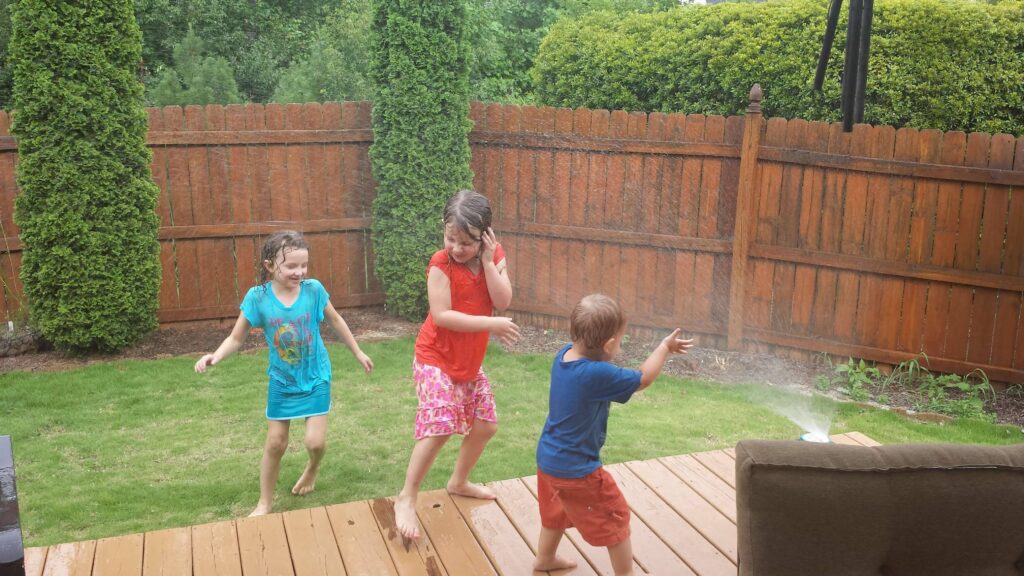
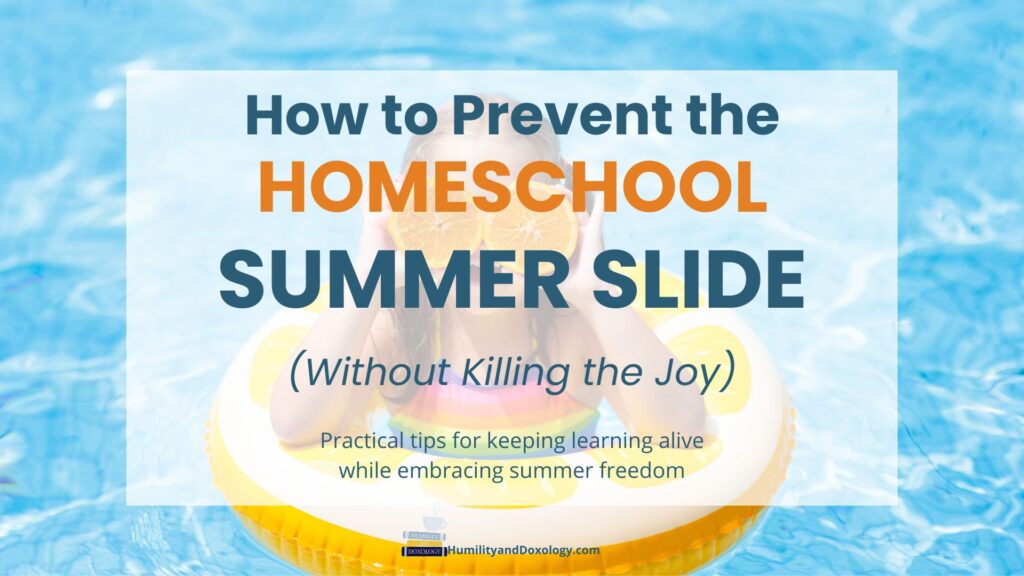
The even better news: preventing the educational summer slide in your homeschool doesn’t require hours of formal work, tons of new curriculum, or sacrificing the very rest you and your family needs. (Because let’s be real…sometimes it is Mama who needs a summer break even more than the kids!)
With a little intentionality, summer can remain a season of deep, meaningful learning without stress.
This post contains affiliate links. I received a product for free, and was compensated for my time. All opinions are honest and my own; I was not required to write a positive review. Please see disclaimer.
- What Is the Summer Slide and Does It Matter for Homeschoolers?
- 1. Protect Rest First (Yes, Really)
- 2. Build a Summer Reading Culture (Not a Reading Requirement)
- 3. Turn Everyday Life Into Math Practice
- 4. Keep Writing Alive Through Real Communication
- 5. Follow Curiosity Down Rabbit Trails
- 6. Summer Science Class
- 7. Maintain Gentle Structure Without Rigid Schedules
- 8. When Workbooks Actually Help (Yes, I Said It)
- Remember: Learning Is a Lifestyle
- You may also enjoy:
What Is the Summer Slide and Does It Matter for Homeschoolers?
The “summer slide” refers to learning loss that can occur when academic skills go unused for long periods. A traditional school calendar creates a sharp stop-and-start rhythm with lengthy chunks of “off” time, which can lead to measurable skill regression in some kids.
Homeschoolers, however, have a secret advantage: we already weave learning into daily life.
Still, certain skills benefit from consistent practice:
- Reading fluency
- Math fact recall
- Foreign language retention
- Instrument proficiency
- Executive function habits
The goal is not to keep your kids from forgetting every fact they learned this year. (Don’t forget that next year’s curriculum typically begins with a few chapters of review!) The goal during homeschool break is to keep curiosity alive and gently exercise skills. And you can do this while still allowing summer to truly feel like a break. Keep reading for simple, organic ideas to promote summer learning, plus easy open-and-go options for skill reinforcement!
1. Protect Rest First (Yes, Really)
Before we talk about reading logs or math games, let’s be clear: rest is not the enemy of learning.
Brains need boredom. Creativity needs space to be messy. Relationships need time to deepen and flourish.
A rested child returns to formal lessons with greater focus, resilience, and motivation. Summer’s informal growth can produce visible fruit later.
Try this:
- Declare the first week of summer a complete break with no expectations. You may even want to consider enjoying a day or two without screen limits or chores! (I know. Shocking suggestion. But wouldn’t it be a fun surprise for the kids?)
- Let sleep, outdoor play, and family rhythms reset. Your teens especially may need a few days of guilt-free sleeping in! (And you may actually get to enjoy a quiet morning sipping coffee and reading a book alone.)
- Notice the natural learning your children already experience. This is an opportunity for you as the parent to reset your expectations and your own perception of when and where learning happens.
- Schedule a day to throw away your old papers from the previous homeschool year so you don’t enter summer break under the weight of clutter.
Don’t miss my post diving into the best simple summer goals for your homeschool.
2. Build a Summer Reading Culture (Not a Reading Requirement)
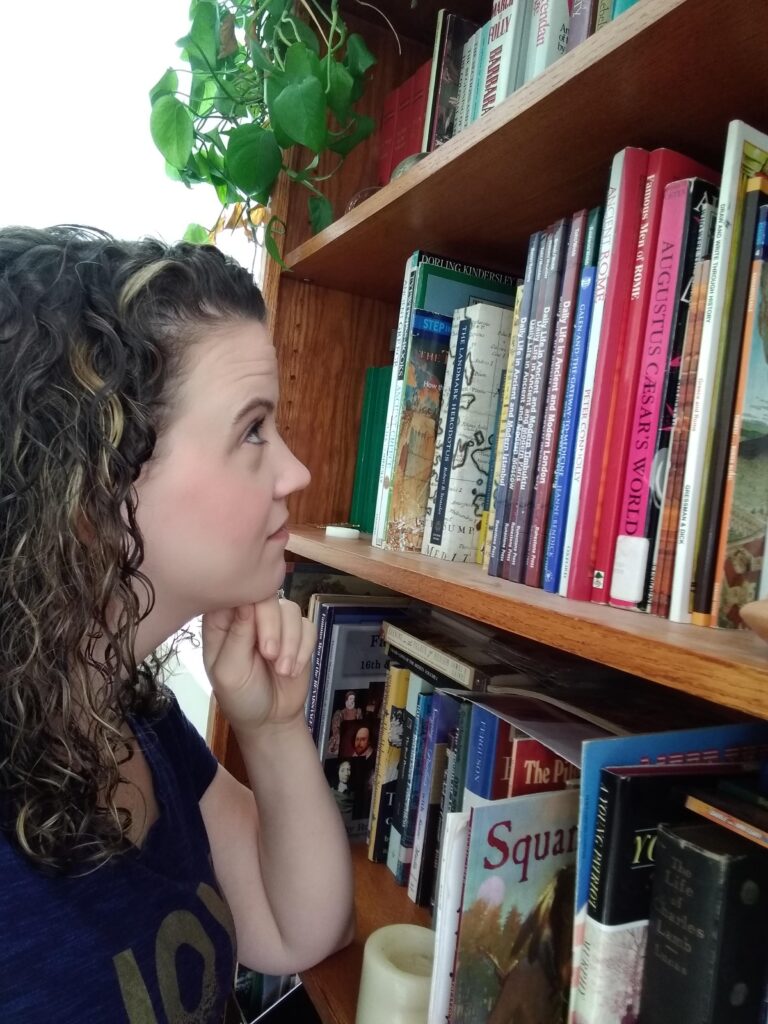
If you do one thing to prevent summer learning loss, make it reading. But skip forced book reports. This is when even those of us who are parent-directed educators can embrace the unschooling idea of “strewing.”
Easy Ways to Encourage Summer Reading
- Keep a basket of library books in the living room
- Read aloud during lunch or before bed
- Listen to audiobooks on road trips
- Let kids reread favorites without guilt
Preventing summer slide in reading may also look like a few minutes of phonics lessons each day with a child who is still in the midst of learning to read. A short time done consistently will serve them better than longer, sporadic lessons.
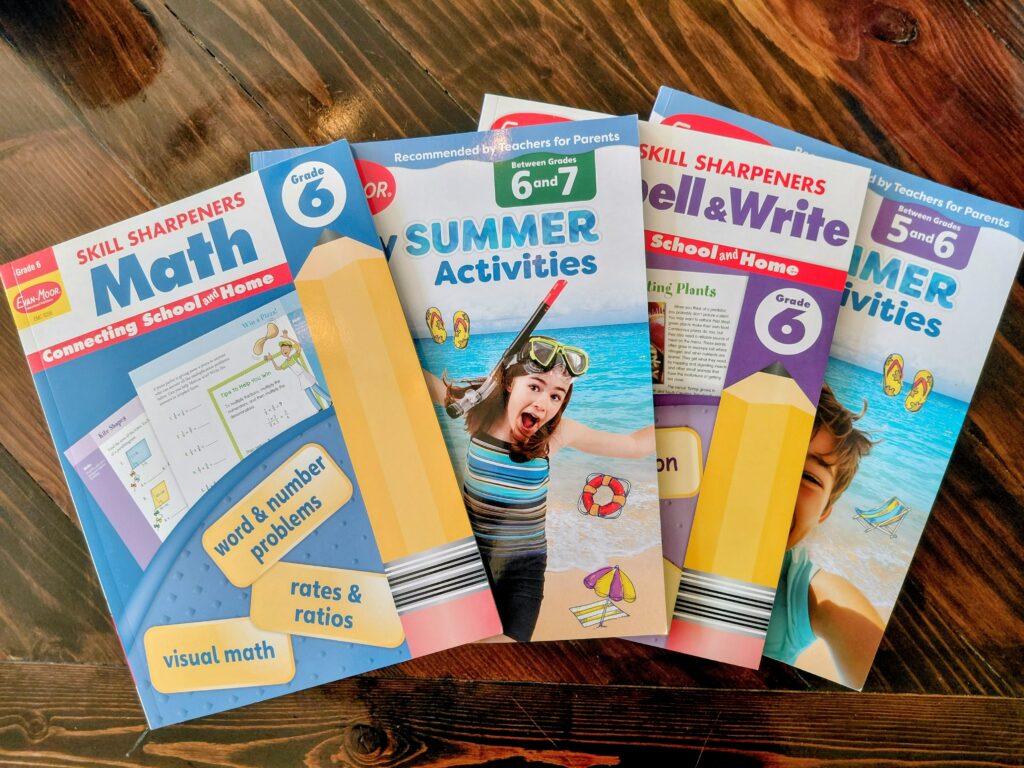
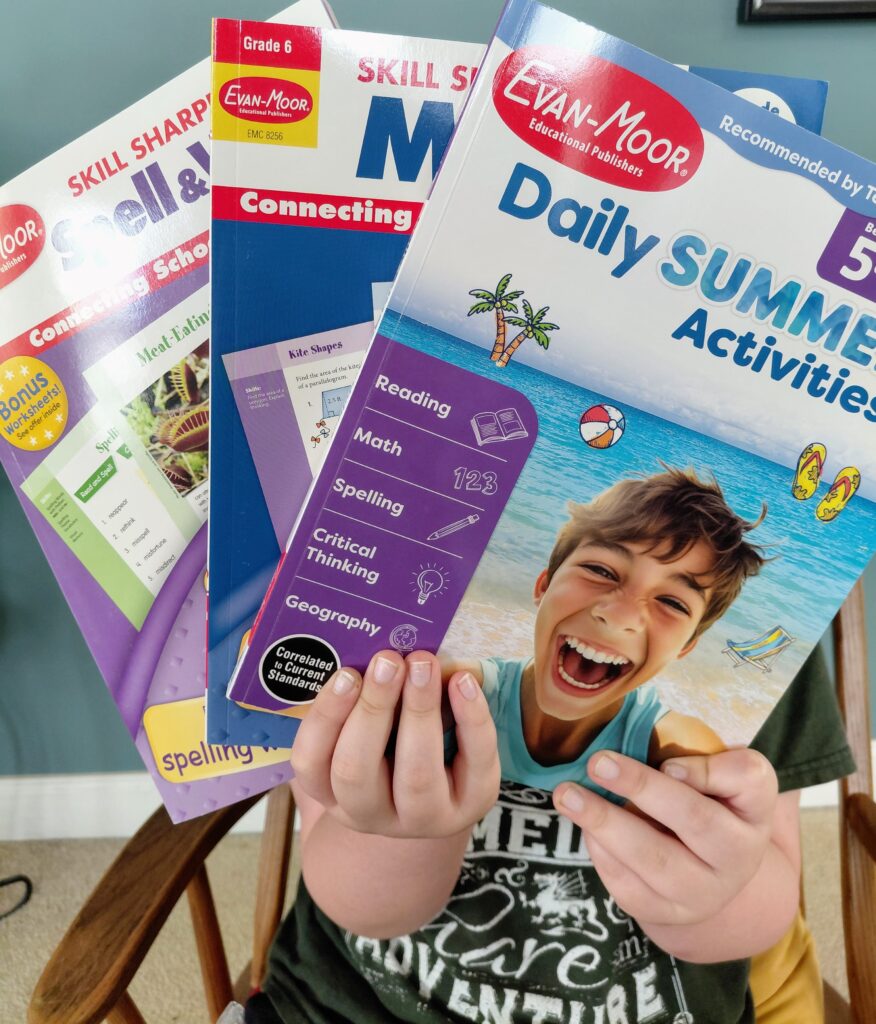
Need a bit more formal practice sharpening skills or reinforcing knowledge areas that got overlooked during the school year? I ordered two Evan-Moor workbook Skill Sharpeners to help my youngest catch up on some skills that got overlooked during his 2.5 years of Leukemia treatment this summer.
Looking for quality book suggestions you can trust? Check out one of these book list resources.
3. Turn Everyday Life Into Math Practice
Prevent math summer slide the easy way! Summer is the perfect time to focus on real life math for kids. Playing with numbers can be fun!
Natural Homeschool Summer Math Opportunities
- Baking and doubling recipes
- Budgeting for a family outing
- Hosting a yard sale
- Measuring garden beds
- Tracking baseball or other sport statistics
- Estimating travel time and distance
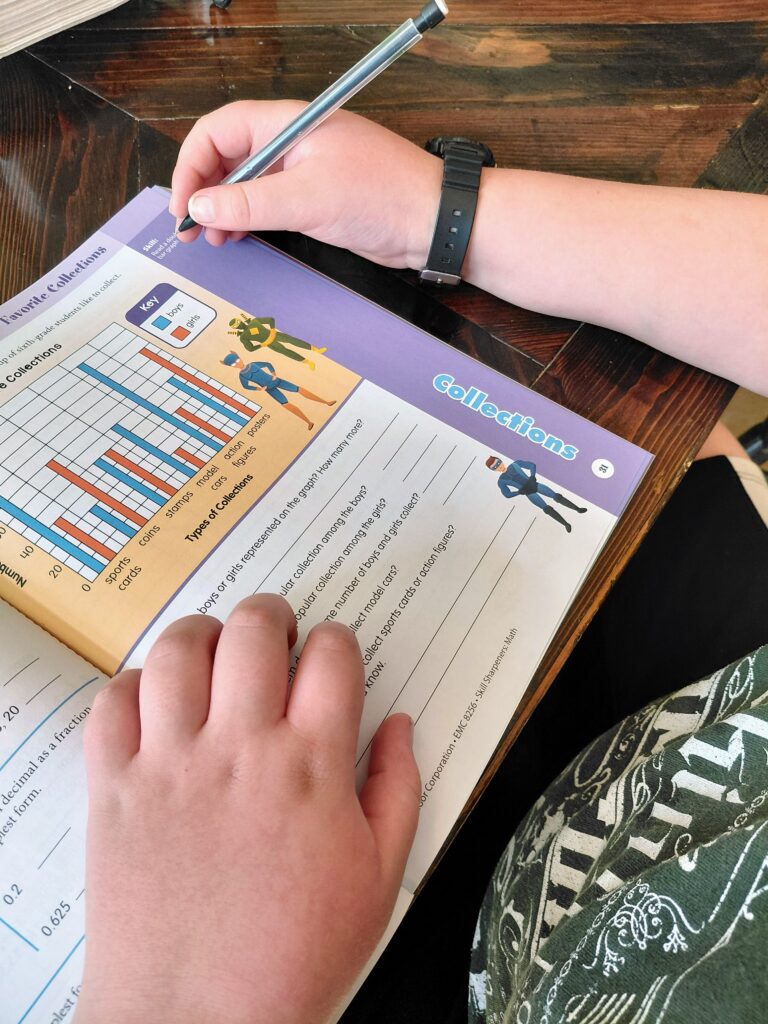
Don’t forget that gameschooling makes math learning easy and fun! But also, if your child needs or wants the extra practice, consider including a bit of formal daily math practice in the routine.
4. Keep Writing Alive Through Real Communication
Formal essays can take a summer vacation. Writing should not. But you can fit in sneaky writing practice without your kids feeling like they’re still in school.
Meaningful Summer Writing Ideas
- Postcards or letters to grandparents or friends
- Nature journals
- Comic strips
- Vacation travel journals
- Thank-you notes
I encourage you, however, to not use this as an opportunity for grammar correction or spelling tests. Let them play with words freely!
5. Follow Curiosity Down Rabbit Trails
Summer is prime time for interest-led learning. When children pursue their questions, they engage in research, reading, writing, and critical thinking without labeling it “school.”
During the busyness of the homeschool year, we don’t always have time to follow rabbit trails. Summer provides the flexibility and time to pursue deep dives or even just watch a few extra documentaries on a topic of interest.
You may also consider:
- Visit local museums
- Find unique historic sites within driving distance
- Create unique art projects
- Go to live theater or concert performances
6. Summer Science Class
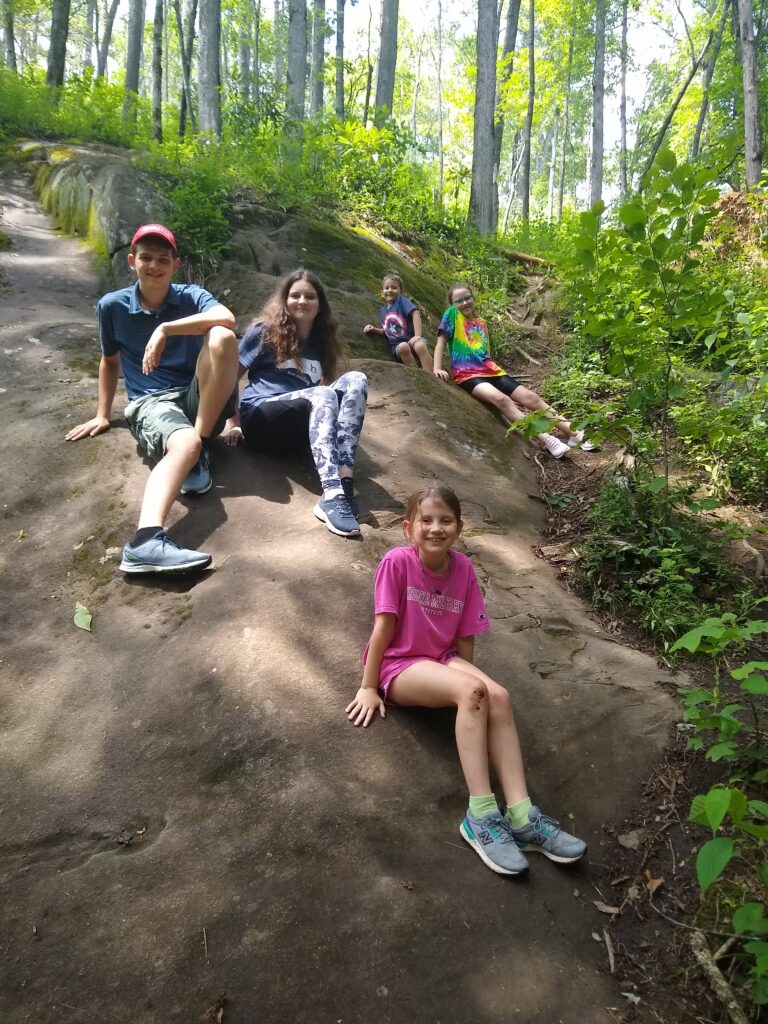
Outdoor learning feels natural during the summer! Hikes, park visits, and vacations provide many opportunities for summer science activities for kids.

Simple Nature Study Ideas
- Weekly sketching of the same tree
- Identifying constellations
- Observing insect life cycles
- Cloud watching and weather tracking
- Keeping a backyard field guide
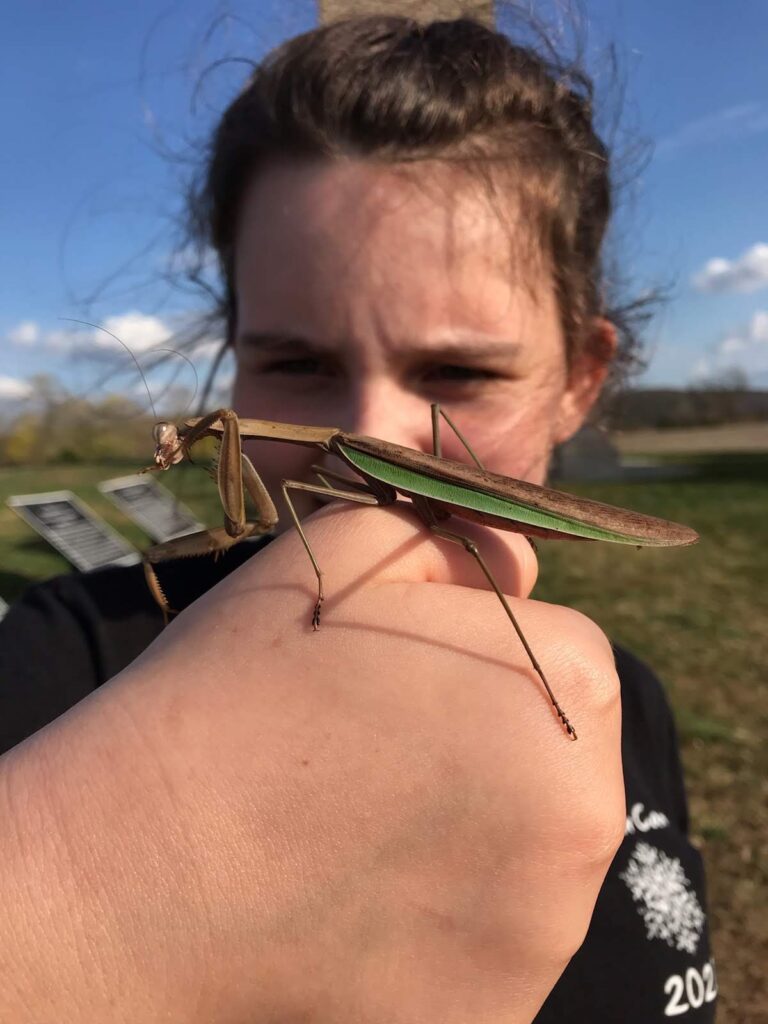
Summer is also a great time to say “yes” to all the messy, more complicated science experiments and projects you put off during the school year. My kids enjoy watching DIY Sci and attempting to replicate some of the experiments. If you have a kid who is especially fascinated by science and engineering, you may want to consider a kit from Crunch Labs or Kiwi Co.
7. Maintain Gentle Structure Without Rigid Schedules
Most children thrive on predictable rhythms, even in relaxed seasons. Instead of a strict timetable, consider a simple daily flow:
- Morning: chores, projects, outdoor play
- Midday: reading
- Afternoon: free play
- Evening: family read-aloud
Does your child play an instrument? Include daily practice expectations in your schedule, but consider shortening the required time.
Are you including foreign language in your homeschool? Look for picture books or kids movies in that language. Sometimes my kids put on a film they know well (like Frozen) but watch the version dubbed in Spanish. And for older kids, encourage them to regularly review their foreign language vocabulary and grammar chants.
I also like to provide clear guidelines for screen time during the summer. Otherwise I find my kids start asking to watch something at breakfast time! Consider creating a “before you ask for screentime” checklist for your kids including items like reading a book, doing certain chores, playing outside, etc.
8. When Workbooks Actually Help (Yes, I Said It)
If you know me, you know I’m the mom who cheers for textbook-free learning and side-eyes most workbooks from across the room. Boring busy work has no place in my homeschool!
And yet.
There are moments when a well-designed workbook can serve as a helpful tool, especially during summer:
- Quick skill review without planning
- Independent practice while younger siblings nap
- Confidence-building for reluctant learners
- Filling small gaps in math or grammar
- Screen-free activity for days when weather prevents hours of outdoor play
The key is to use workbooks as a tool, not the spine of your homeschool summer plans.
Evan-Moor educational resources
The past few years have been really hard for our family. For my youngest, especially, we have focused on the most important things, and let many other academic things go. But now that he has completed his cancer treatment, I want to make sure we fill in any gaps in his learning so he can hit the ground running in 6th grade this fall.
So I was so excited for the opportunity to order some educational resources from Evan-Moor on Carson Dellosa! I wanted something open-and-go that he could do completely independently. I wanted it to be fun and not overwhelming. I was looking for review and enrichment, not an intense regimen of study.
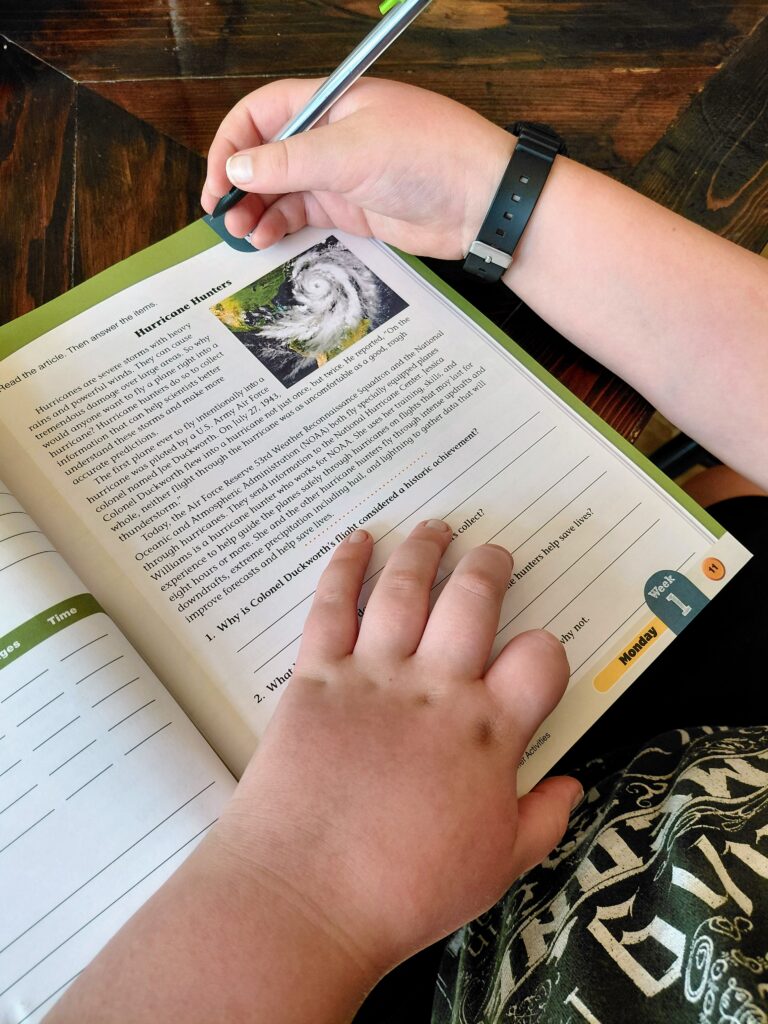
One of the workbooks I bought is actually specifically designed for daily summer activities! There are 10 weekly sections containing half- and full-age activities in subjects ranging from math to geography, spelling to critical thinking. Each day focuses on a different set of skills, so your student won’t get bored. The pages are perforated, so you could even rip a few pages out to take with you on road trips or airplane flights if space is an issue.
True story: when I got the books out to show my son, my teenagers were super bummed that they didn’t come in high school level. Go figure.
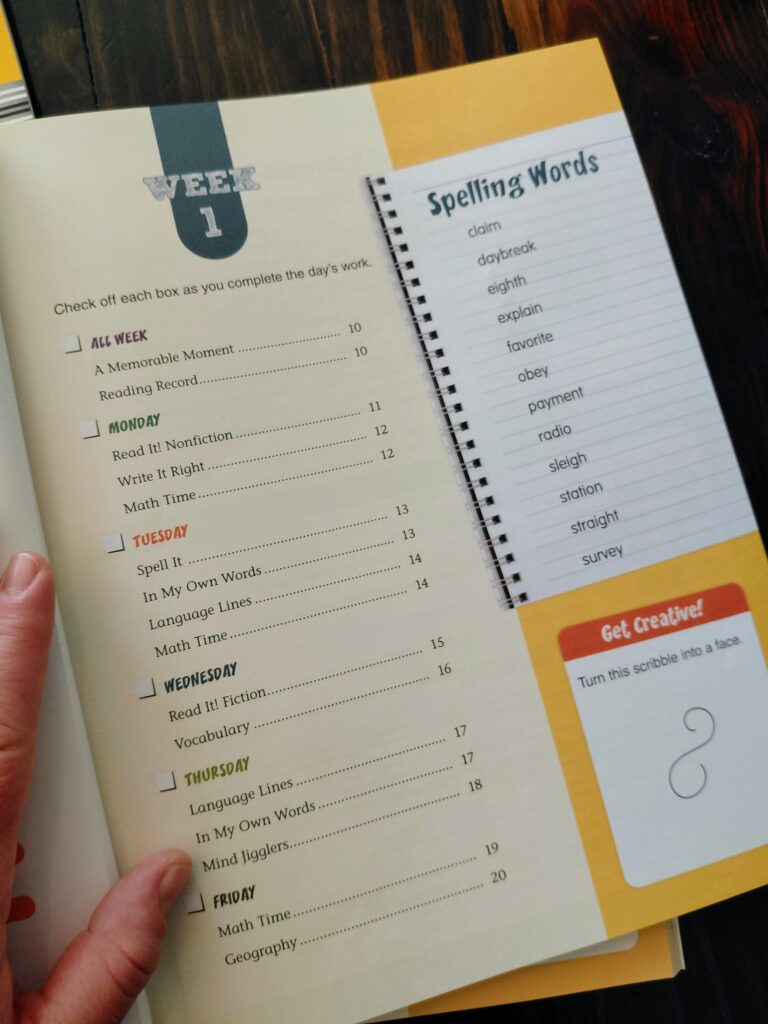
I also really like that each week kicks off with a complete list of the week’s assignments with checkboxes your child can fill in as they complete the day’s work. And, because curriculum is a tool not a master, you as the parent can pre-check off any assignments that don’t fit your child’s needs or your style.
If you’re looking for something your elementary or middle school students can use to combat the summer slide this year, click here to check out all Evan-Moor has to offer. Search by topic or grade.
And get 15% off your order from the Evan-Moor range on carsondellosa.com with code 15OFF!
Remember: Learning Is a Lifestyle
Homeschooling frees us from the artificial boundary between “school time” and “real life.” Summer is not an interruption of your homeschool learning. It is an opportunity to try new things, explore new areas of interest, and give all of us (Mom, too) a break from our regular routines.
If your children are:
- Asking questions
- Building things
- Reading something with their eyes or ears
- Playing creatively
- Helping in daily life
Then learning is happening.
If you’re worrying about the summer slide, it’s because you care deeply about your children’s growth. That care matters more than any checklist.
So this summer, protect rest, nurture curiosity, read good books, use workbooks when helpful without apology, and say yes to adventures.
The learning will follow.
You may also enjoy:
- Why Bother? What’s the point of a great education if your children can’t seem to remember most of it?
- Finishing Strong: Defining “Done” with Our “All That’s Left” List
- The Great Book List Roundup: Books and Websites to Inspire Your Next Reading Adventure
- Simple Summer Goals