Homeschooling is a journey filled with both joy and challenges, and no two families do it exactly the same way. In this episode of Homeschool Conversations with Humility and Doxology, I chat with Christine Keys, a second-generation homeschool mom of three in New Zealand. Christine shares her unique perspective as both a former homeschool student and a current homeschool parent, offering practical tips for simplifying your homeschool, overcoming overwhelm, and finding freedom in an eclectic approach. From creating a flexible routine that works to navigating socialization questions with confidence, Christine’s wisdom and experience will encourage you to homeschool with joy and purpose.
{This post contains paid links. Please see disclaimer.}
- Meet Christine Keys: Second-Generation Homeschool Mom
- Growing Confidence and an Eclectic Approach
- Changes in the Homeschool Community
- Joys and Challenges of Homeschooling
- Simplifying Homeschool Without Sacrificing Excellence
- Crafting a Routine That Works
- Why Socialization Is a Non-Issue
- Current Reads and Favorite Tips
- Where to Find Christine Keys
- Key Takeaways
- You May Also Enjoy:
- Check out all the other interviews in my Homeschool Conversations series!

Meet Christine Keys: Second-Generation Homeschool Mom
In this episode, I welcome Christine Keys, a second-generation homeschool mom of three living in New Zealand. Born in South Africa, Christine moved to New Zealand at age five and was homeschooled from age eleven through graduation. Today, she brings that same love of learning into her own home, where she homeschools her three children (ages 10, 8, and 6) with an eclectic approach. Christine is passionate about raising her children to follow Christ, building a joyful home education, and encouraging other homeschool families with practical support.
Growing Confidence and an Eclectic Approach
Christine reflects on how her own homeschool experience shapes her family’s current journey. While her parents initially relied on boxed curriculum and a more traditional “school at home” approach, she now embraces a more eclectic style. Over the years, she has grown in confidence: trusting her intuition, leaning into her organizational strengths, and unapologetically doing what works best for her family.
“I’ve definitely become more confident. I’m a lot more unapologetic in our homeschool now. I just know what works—and that’s the beauty of homeschooling.”
Unlike her childhood homeschool experience, Christine does not rely on formal testing, preferring ongoing assessments and evaluations instead.
Changes in the Homeschool Community
When comparing today’s homeschool world to her childhood, Christine sees both continuity and change. As a child, her homeschool community was informal and low-key, centered around church activities, field trips, and weekly sports led by volunteers. Today, she notes that larger centers in New Zealand do host more organized co-ops, though not as structured as those in the U.S.
“Comparison is something that didn’t even exist when I was homeschooled. The lack of social media meant moms just got on and did what they needed to do.”
She acknowledges that while technology now provides incredible access to resources, it can also create overwhelm and fuel unhealthy comparison.
Joys and Challenges of Homeschooling
Christine treasures the daily joys of homeschooling, particularly read-alouds with her children, which create lasting family memories. She also loves witnessing the moment when a difficult concept finally “clicks” for her kids.
“When my kids have been struggling with a concept for years and then it just clicks—there is no feeling like that. It’s the best thing ever.”
However, she acknowledges that challenges shift with each season. In the early years, managing toddlers and babies was the hardest part. Now, she finds it more mentally exhausting to balance her children’s constant questions and individual needs, while teaching them patience and respect for each other’s time.
Simplifying Homeschool Without Sacrificing Excellence
To prevent overwhelm, Christine emphasizes the importance of prioritizing and simplifying. She recommends identifying your family’s core subjects and committing to consistency in those areas first. For her, language arts and math are non-negotiables. She also stresses the importance of injecting fun into the homeschool day to maintain motivation. Christine encourages families to be realistic about their strengths, weaknesses, and energy levels, while cutting unnecessary commitments that rob joy instead of adding value.
Crafting a Routine That Works
Christine loves scheduling and believes discipline matters more than fleeting motivation. She advises families to align their schedule with the times of day when both parents and children are most productive. In her home, the mornings are reserved for math and language arts, followed by a break for “morning tea,” a New Zealand tradition of snacks and rest. Group subjects and read-alouds follow later in the day. She also recommends experimenting with nontraditional schedules, such as shorter six-week terms with one-week breaks, or a four-day school week that leaves time for housework and rest.
Why Socialization Is a Non-Issue
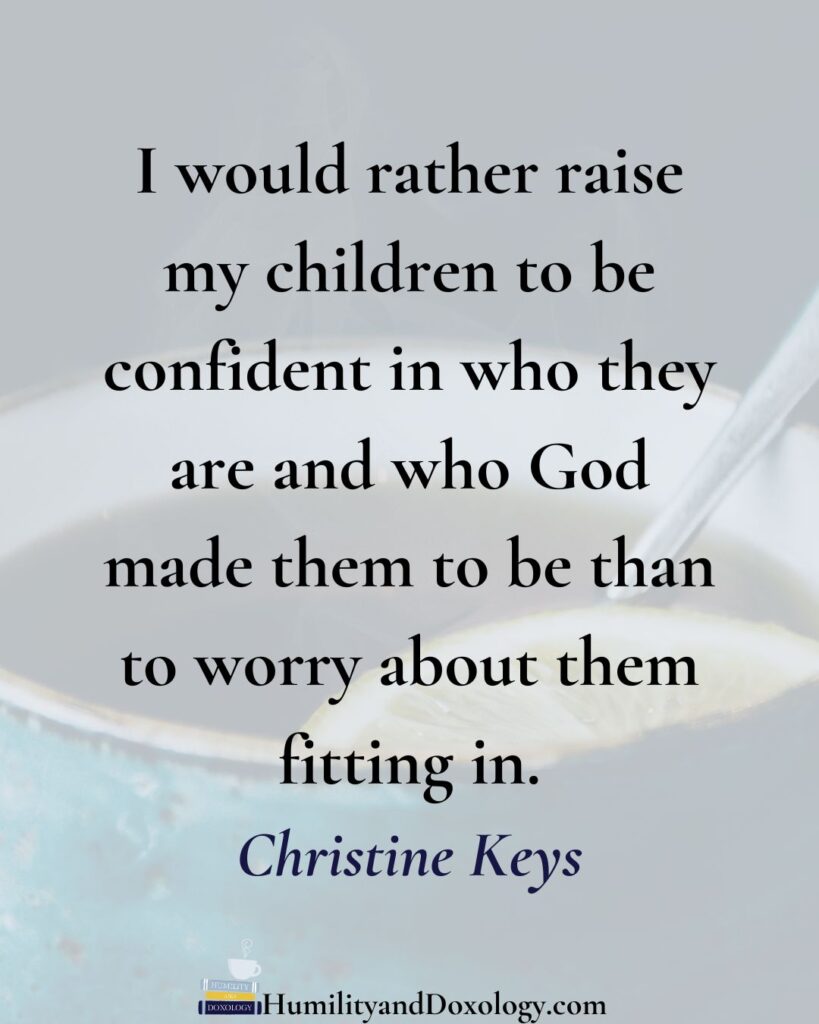
Christine doesn’t worry about socialization, noting that her children are naturally outgoing and capable of interacting confidently with people of all ages. She believes the real issue is often misunderstanding what “socialization” means. Instead of aiming for conformity, she wants her children to embrace who God made them to be. Everyday interactions—with neighbors, in the grocery store, at church, and in the community—provide natural opportunities to build social skills.
Current Reads and Favorite Tips
Christine recently enjoyed reading The Book of Lost Names along with The Anxious Generation and Hold On to Your Kids. When asked how she turns around a homeschool day that’s going badly, she advises taking a break, grabbing a snack, sending kids outside, and turning to prayer. She also highlights the power of apologizing to children when parents lose their temper, modeling humility and strengthening long-term relationships.
Where to Find Christine Keys
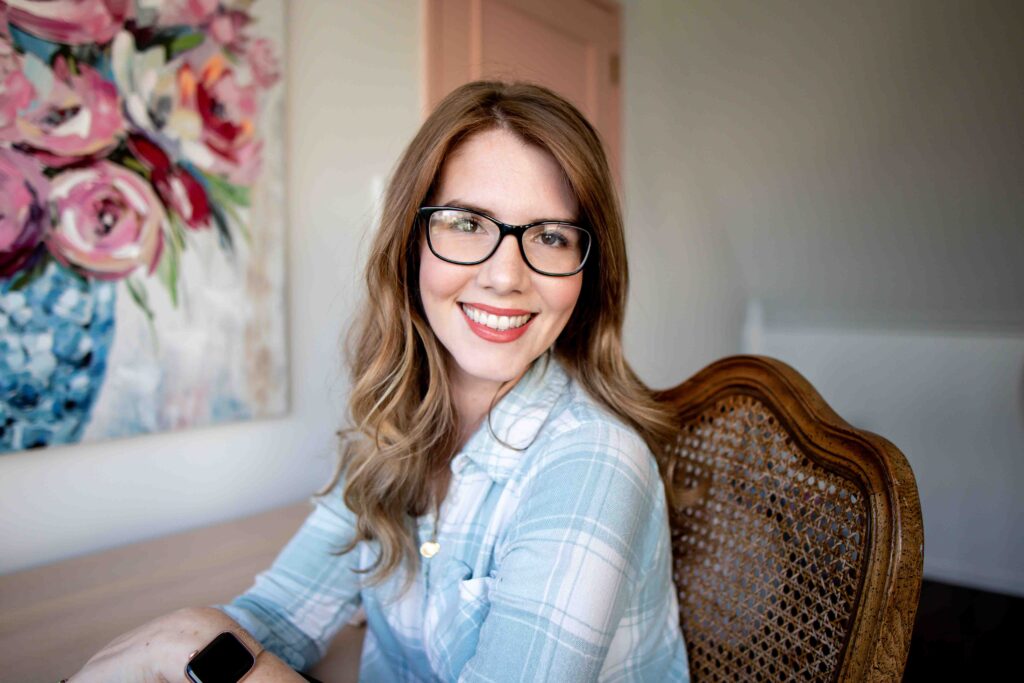
Christine Keys is a second-generation homeschool mom of three, living in New Zealand. She takes an eclectic approach to homeschooling and believes there’s no one right way to educate at home. Christine is passionate about raising her children to follow Christ while encouraging other homeschool families with practical tips and real-life support.
Christine shares encouragement and resources on her YouTube channel, This Homeschool House, and on her website, christinekeys.net. Families can also access her free resource library there.
Key Takeaways
- Over the years, Christine’s confidence in homeschooling has grown, and she now unapologetically leans into her strengths: organization, research, and scheduling.
- Her approach differs from her parents’ more boxed-curriculum style; she embraces an eclectic method and avoids formal testing in favor of ongoing evaluation.
- Homeschool communities have changed, with more comparison fueled by social media today, but also greater access to resources through the internet.
- Christine treasures read-alouds and shared family learning, and loves the joy of seeing a child finally understand a difficult concept.
- Homeschool challenges shift with seasons: early years are physically exhausting with toddlers, while older years bring the mental challenge of juggling many needs and questions.
- Simplifying homeschool requires honesty about your family’s strengths and energy levels, cutting out activities that rob joy, and focusing on core priorities like math and language arts.
- A workable routine comes from discipline and consistency, not just motivation; her family thrives on mornings for academics, a mid-morning “tea break,” and a flexible four-day week.
- Christine views “socialization” as a non-issue, emphasizing that homeschooling equips children to be confident in who God made them to be, with everyday life offering natural social opportunities.
- Her advice for bad homeschool days: take a break, pray, reset with humility, and apologize when needed, building long-term trust and stronger parent-child relationships.
You May Also Enjoy:
- Teaching Social Skills Through Stories
- Second Generation Homeschooler and Joyfully Homeschooling (Misty Bailey interviews Amy Sloan)
- Life in the Mundane: tips and encouragement from a second-generation homeschool mom of 6 (with Katie Waalkes)
- Faithful, Capable, and Nerdy: A Homeschool Conversation with Rachel from The Nerdy Homeschooler
- Homeschool Without Overwhelm
- Simplifying Homeschooling for Peaceful Days
Check out all the other interviews in my Homeschool Conversations series!
Amy Sloan: Hello, friends. I am so delighted that you are here today, and I am very excited to get to introduce you to Christine Keys. She is a second-generation homeschool mom of three living in New Zealand, and Christine takes an eclectic approach to homeschooling, believing there’s not just one right way to educate at home. Christine is passionate about raising her children to follow Christ, while encouraging other homeschool families with practical tips and real-life support. Christine, I’m so excited to get a chance to chat with you today. So there’s the official bio, but could you please tell us a little bit about yourself, your family, and your own history with homeschooling?
Christine Keys: Yeah, sure. So I live in New Zealand, but I was actually born in South Africa, and my parents immigrated here when I was five years old. So New Zealand’s home, but we’re very much a family that comes from lots of different cultures all around the world. And my parents started homeschooling me when I was 11 years old. It was very new back then, especially for a family that came from South Africa. South Africa especially, it was not something that you really ever heard of over there. But New Zealand, you know, like there were homeschooling families. It was still very new. So they started homeschooling me then, and homeschooled me right through to graduation with my three younger siblings. And I had a really fantastic experience. I mean, it wasn’t perfect by any means, you know, like life is not perfect, and all of that. But overall, I had a really fantastic experience with homeschooling, and I knew I wanted to do that with my kids one day. And then I went on, and I got my Bachelor of Science in Nursing, and got my nursing degree. And I did one whole year of nursing before I got married and started having babies. But I always look back on that year with so much fondness. I’m so grateful that I was able to do that, and had that year of independence. And I lived on my own in like this tiny little dinky rural town. And so this homeschool kid, you know, came along and was brave, and went out into the big scary world, which was really just this tiny little town. But I just had such a good time. And then, yeah, got married, had kids. I’ve got three kids who are currently 10, 8, and 6. A boy and two girls. And started homeschooling when my son was about four and a half. So it’s been about six years now, which blows my mind. It’s gone by so, so quickly. And I just love it more every year. I’m so grateful I get to do this with my kids. It’s just the best thing ever.
Amy Sloan: Yeah, I sometimes say that it’s the best hard thing I do. I love homeschooling. And now my baby is 10, which is crazy. Because I remember when my oldest was 10, and I just was like, wow, he’s so grown up. And we have all these amazing opportunities. And now I just see my children going into adulthood. And it makes those years that aren’t so little, you know, those double digit years, but it still makes it so much more precious. I just treasure every moment I have with my kids now, for sure.
Christine Keys: Yeah, for sure. I think we’ve discussed that in my family all the time. Like, the way you treat the eldest child and the way you treat the youngest child is worlds apart.
Amy Sloan: Yes, which is probably, it’s probably, there’s pluses and minuses both ways, right? Yeah, yeah, for sure. Well, I love talking to fellow second generation homeschoolers. Because like you, I was homeschooled all the way through. It was a wonderful experience. I’m so thankful it also was not perfect. But it was something I knew I wanted to do with my own kids. But yet, you know, our family is its own unique thing, and we do things differently. So I’m curious in what ways your own approach to home education has changed or deepened over the years, and how your homeschool experience as a student maybe differs from how you’re homeschooling your own kids?
Christine Keys: Yeah, I mean, I think that it’s really wise to think of homeschooling as an ever-changing experience. Because you do, every year there’s new circumstances, your kids have grown into, you know, a little bit different. And, you know, many families are adding a baby or whatever, you know. So you do constantly have to adapt. You cannot set one routine for one year and expect it’s going to work all the way through. That’s just, yeah, never going to happen. So for me, I would say that I’ve become a lot more confident every year in my homeschooling. And one thing that I, like, I don’t have a lot of regrets with homeschooling, to be honest, because I feel like so many of the things that I have done, I’ve learned from. So I wouldn’t necessarily take them back. But to grow into that confidence and trust my intuition and my gut, I kind of wish I had done a bit sooner. And I’m just, like, leaned into my strengths, like scheduling and organizing and researching. Those are all things I’m really good at. And they’ve only ever benefited our homeschool more and more as the years have gone on. So I would say I’ve definitely become more confident. And I think, you know, the longer you do it, the more you know your child and what they need and your family and how they work. So I would say I’m a lot more unapologetic in our homeschool now. I just know what works. And that’s the beauty of homeschooling. You know, we all get to do what works for our families. There’s no, you know, one way is the right way. And yeah, I just, I’ve become more and more eclectic. And I would say that’s where my approach differs a bit from my mom’s. So especially when we started out, because she was new to the scene, I think this is very common for most homeschoolers. You kind of pick whatever else is doing. And you tend to go with boxed curriculums. In fact, before my parents started homeschooling me, I went to public school a little bit, but I also went to this teeny tiny little private school that our church ran. And by teeny tiny, I mean, it had 21 students from four years old to, you know, 17. It was tiny. And they used a becker. And so that’s what I was familiar with as a student. That’s what my parents knew about. And so they just picked a becker. And we did that. I don’t know how many years we did that for kind of exclusively before my mom started branching out. And I think in the depths of her heart, she really is an eclectic homeschooler because that’s for sure what she was more doing toward the end, especially with my siblings. But at the beginning, it was very boxed curriculum, testing, you know, very typical, like school at home kind of situation, which I want to just like say, there’s nothing wrong with that. If that works for your family, if you want to do school at home, that is fine. I often see it like, you know, people like, oh, it’s just school at home. I’m like, well, if it works, like, yeah, and you’re still together. Like, yes, exactly. So yeah, let’s not demonize anything here, you know. And yeah, so that’s probably the biggest difference. I would say I don’t do a lot of testing with my kids. I mean, we do constant evaluation, constant assessments. I think like we use math with confidence, and those have got the unit wrap ups. I always use that as a way to gauge my kids and how they’re doing. But we don’t do formal testing as of yet. So yeah, those are the main differences. But there’s a lot of stuff that I have kept that my mom did with us because it was just so good.
Amy Sloan: Yeah. And I can just hear how you’ve grown in your own confidence. And I would think probably some of that comes from knowing it kind of works, like even knowing I’m not going to do things exactly that way. As, you know, second generation homeschoolers, we have that perspective, like we turned out relatively normal, you know, this works, right? We can do this. We saw our own parents even make mistakes and try different things. And that was fine.
Christine Keys: Yeah, for sure. Like I think I was actually just thinking about that this morning because I often see the phrase toted around like relationship before academics. And at the heart of it, I agree, you know, like we want connection and everything to be really important. But I do think we do ourselves a disservice if we’re thinking that any sort of conflict is going to result in a bad relationship with your child. Because my mom and I definitely yelled at each other over the table over algebra. And I just came back from a three night getaway with my sisters and my mom. And we are all so close. And I’m like all four of my like myself and my three other siblings, we have such a good relationship with my parents. And I can 100% tell you that they were plenty of conflict during our own school years. So yeah, I had the confidence knowing that despite, you know, headbutting at times and being frustrated with each other that working through that, it has long term benefits. Yeah.
Amy Sloan: Yeah. Christine, before we move on, again, I’m doing this new thing. Do I keep blacking out on your end? No. No. Okay. Because my screen keeps like blacking out and freezing and I’m like. Oh no. I can see. It looks okay on your end? Okay. Yes. I’m sorry. I’m just wanting to make sure this is recording okay. Yeah. Yeah. I, technology and I don’t always get along so well. Okay. Thank you. That was all great. Just wanted to make sure. Okay. Christine, do you see any differences in the homeschool community itself as compared to when you were a kid growing up? Because I definitely see a lot of differences. At least here in the States or in North Carolina where I live, for example, when I was growing up, there was a lot of like small co-ops where it would just be like a few families and we would get together once a month. Like we would all study things on our own that we would get together and do hands-on projects or go on field trips together. There was nothing formal. It wasn’t a class. It was just people sharing learning together. And it is almost impossible to find things like that now in my area. It’s all classes. You sign up. I mean, sometimes you can find a co-op. You can sign up just for a class or two, but a lot of times you’re committing to a full day. That’s just one huge difference I notice about the homeschool world now. But I’m wondering what you notice and especially what it’s like, you know, homeschooling around the world.
Christine Keys: Yeah, I was going to say that probably, it probably does differ depending on where you are in the world. So when I was growing up, we had, our church had a lot of homeschoolers in it. And our church was not massive. We’ve always had about 100, 150 people attend, but big for New Zealand, that’s a pretty big church. And we had a lot of homeschool families and we just used to rock up on a Thursday at 11 o’clock. And we had one, we had a couple different people who volunteered to do it, but I think the person who did it longest was a single guy in our church and he would do homeschool sports. And so we learned all the different sports and how to play them. And, but we also, it was just like what you described, very low key. There were no like formalities. We went on different field trips. I remember going to like a honey factory nearby. I would think we toured the local sewerage works. I’ve done that too. Such a homeschooler thing. And yeah, so it was very low key. It’s still, I feel like it’s still like that in a lot of places in New Zealand, our local homeschool group, we don’t do anything formal. We meet up on a Tuesday and we literally let the kids play. Like we meet up at a park or at the local, there’s like a swimming pool place that’s free. And we’ll just let the kids play. But in larger centers, there are definitely those bigger co-ops going on. I don’t think they’re as formalized as they are in the States, but there’s definitely more. I will say that in New Zealand, there’s a lot of what we call Bush schools now where it’s like wilderness learning, which is really fun, especially for the younger years, super fun. But I would say the biggest differences I see compared to when I was a kid is comparison is like something that didn’t really even exist when I was homeschooled. Like all the moms, I think just the lack of social media meant that you just kind of like got on and did what you needed to do. I mean, they definitely chatted about curriculum and like, but I just don’t think it was nearly as big as it is now. And I do think that’s a negative side of it for sure. I just think that’s really sad. We forget that we have to homeschool the child in front of us and not worry about what Betty next door is doing with her child. And it just adds so much unnecessary worry and stress. And the other big thing is just the availability of resources. Like that’s, the internet has brought that about. That was like, we used to get once a year, this massive box shipped from the States for all like the homeschoolers in our community. And then we’d dish out and it came by ship. It was not there, you know, it was not emailed because we couldn’t afford that. But it was so exciting, you know, fresh new books. And then we didn’t write in our books half the time. Like it was usually done on like refill paper or whatever. Whereas now I can see a curriculum and decide I like it. And five minutes later I’m printing it, you know, in my, with my printer. So that’s, that is exciting, but sometimes dangerous.
Amy Sloan: Yes, it’s because it’s both wonderful that we have access to all these resources and even so many free resources, but it can also be overwhelming because people can be like, oh, that’s pretty, that’s nice. Let me, maybe if I just did this with my kids, all of our homeschool problems would be solved. And you ping from PDF download to PDF download when maybe what you need to do is just stick with what’s working and do a little bit every day. Yeah. So it’s, I guess it’s good and bad. I am thankful that we, you know, actually can buy teacher books. I know, I don’t know about your mom, but my mom, my mother-in-law weren’t always even able to buy the teacher books because can’t let the homeschool parents have the answer keys.

Christine Keys: Yeah, exactly.
Amy Sloan: Well, what are some of your favorite parts of homeschooling and maybe what are some challenges you face as a homeschooler and how do you deal with those challenges?
Christine Keys: Yeah, I think it’s changed for sure over the last six years. When I started, I had a four and a half year old and a three year old and a one year old, and that’s very different to homeschooling the kids I am now. But the things that I love, I’ve always loved doing read-alouds with my kids. It’s just something we all connect on. We have like, you know, inside jokes and everything from the books that we’ve read together. And that honestly is my fondest memory from my homeschooling experience is just those read-alouds. We just have so many things we still talk about to this day. And I love that. I love just exploring things together. It’s so much fun. And I would say the other thing that I just get such a kick out of is when my kids have been struggling with a concept for often years, to be honest, and then they just click and I just like, there is no feeling like that is the best thing ever. So I love that. As far as challenges, when they were little, it was the baby or the toddler. That was the hardest part of homeschooling was just like fitting it in around when that would happen, you know. But now that they’re older, it’s managing everybody’s wants and expectations and needs for me like that. It’s, I often say to, because my siblings are, well, two of my sisters are, there’s quite an age gap between us. So they’ve just started having their little babies and toddlers and they’re in a very different stage of life to me. And I often say that stage is physically exhausting. You’re so tired from lack of sleep. It’s just go, go, go. You don’t get to sit down. But as your kids get older, it is mentally exhausting because you get asked, you know, about the Ukraine and Russian conflict. And at least my 10 year old son asks me questions.
Amy Sloan: Easy questions, you know, easy, easy.
Christine Keys: Why does an octopus have eight tentacles, mom? And those are exhausting questions when they’re constantly peppered at you or learning to manage, balancing everybody’s needs while you’re actively homeschooling. That’s something that we are very much working on at the moment is like, if you do not know the answer to a question, mark it. And when I get to you, then we’ll go through it together. Instead of constantly mom, mom, mom, and interrupting the sibling that I’m currently working with, you know, and just teaching them to be respectful of each other and respectful of my time and their siblings’ time. That I would say is our current biggest struggle.
Amy Sloan: Yeah, that’s really a tricky thing. And then as you have so much to look forward to, exciting with, with the teen years and young adult years, which I love. And also then all of that takes a whole nother jump in the, the kinds of conversations you’re having. And then suddenly no one’s going to bed ever. Like I have people staying up after I go to sleep, people who wake up before me, like there’s no water in the day.
Christine Keys: My parents joke all the time about how eventually we would come and kiss them goodbye in their bed.
Amy Sloan: Yes, that is definitely the stage of life I’m in. Well, homeschooling, you know, can feel overwhelming at times, you know, regardless of the ages of our children or the stage of life. And whether you’re brand new or a second generation homeschooler, or you’ve just been homeschooling for years. So what are some of your best tips or strategies for simplifying your homeschool without sacrificing excellence?
Christine Keys: Yeah, I, um, oh golly, this is going to look so different for every family because I think our priorities are all different. But I would say that you need to recognize your strengths and your weaknesses and be really honest about them. Because I think we’re all really good at being like, this is what we’re going to do this homeschool year without factoring that in. So be realistic about what you’re actually going to be able to achieve. And just start small, start with the things that are the most important to you. At the end of the day, like for me, like language arts and math, those are our core subjects, you know, we need to do those. Those are so vital to so many different parts of our homeschool. And so I make that happen every day. Those are like the bare minimum kind of things. But I also think it’s really important to inject fun into your homeschool. So if it’s not fun, you’re going to, your motivation levels are just going to be like, meh. So I do think it’s really wise to have at least one fun thing that you and your kids look forward to each day of homeschooling. Because if it’s all hard, like, it’s just hard to carry everybody, you know, not just yourself, but all your kids as well, if they’re not enjoying it, that’s hard. So I do think inject some fun and just be realistic with your schedule. I am not good at leaving the house 100 times a week. It exhausts me in like 0.5 seconds. I am an introvert. I do love a good chat. I love sitting with my friends and chatting like once a week is good for me. And we don’t do a lot of extracurriculars for that reason. So there are families who do that and love it and excel at it. And there is no right or wrong here, unless it’s not working for your family. And we’re in a stage of life, I feel like my kids are young enough where we don’t need to be enrolled in a bunch of things. Right now, I have one daughter enrolled in an extracurricular. And then we have our fun homeschool meetup once a week. And we go to church on Sunday. And then, you know, we might meet with family and friends, you know, casually through the week. But we keep it really simple. And yeah, that’s worked. I’ve learned my lesson not to enroll kids in lots of things and not feel the guilt and pressure to do that. Because those things should only be a blessing to your family. If they’re robbing you of joy, then cut, just cut it, be cutthroat, get rid of it. It’s only going to bless your family by making those, you know, sometimes they feel really hard because you feel like you’re depriving your kids. But ultimately, you and your family come first. And it’s so easy to fall into that trap of just, you know, over committing yourself to things. And we often think it’s curriculum, but I think it’s often the outside factors that we tend to quickly say yes to, because we’re like, oh, this is a great opportunity, my kids are going to learn from this or whatever. But really, it’s probably not the best thing.
Amy Sloan: Okay, so first step, really prioritizing, figuring out what’s most important. Honestly, looking at our week schedule and our energy levels, which like not just our kids, but mom too. And so now we’ve sort of picked the things that are most important for our homeschool. How do we then go about setting up a routine, daily, weekly routine that actually works?
Christine Keys: Yeah, so I’ve like thought loads about this, because I love scheduling. It’s my thing. Without a schedule, I would be the most undisciplined person. And I will say, I do think that it’s very important to be disciplined in your homeschool. I think if you’re relying on motivation, you’re going to do your kids a disservice, because we have to be disciplined. There’s going to be days where you don’t feel like doing it, and your kids don’t feel like doing it. But it’s really important. It’s their education. And I do feel really strongly about how important a duty that is for our children. I’m sure all of us have that feeling. We don’t want our kids to look back one day and resent us, because we weren’t intentional enough or disciplined enough to give them the tools and the skills that they need to be successful in their adult years. And that looks different for everyone. So there’s like, again, there’s no one right way to do that. But we do need to be consistent. We do need to be disciplined. So then I think it’s really good to play into your strengths. So I have always known about myself, I am the most productive in the morning. Come 4pm, all bets are off. I am done for the day. We are winding down. I’m impressed you can make it to 4pm, girl. Yeah, so I know that that is when we work best. I also know it’s where my kids work best. So find where, like, understand where your family is the most productive. And I say, put your hardest work in that time. So we do language arts and math first, because I find my kids’ brains are most switched on first thing, and we get it done then. So really focus on that. Do your priorities first. And then we tend to do our group subjects after we’ve had, we call it morning tea in New Zealand. I was talking about it on my YouTube channel the other day. And someone said, oh, morning tea sounds so much fun. And I was like, do you guys not call it that in the States? Is that a Kiwi thing?
Amy Sloan: I think like morning time or morning basket, circle time, those are some of the terms. There’s like a poetry tea time, but it’s probably all basically the same thing. No, this is totally different. Oh, totally different. Okay. Tell me more.
Christine Keys: Morning tea. Like literal tea? No, we don’t even, well, I suppose a lot of adults have tea. It’s our break time. It’s like morning snack time. Yes. I need to institute this immediately in my life. This is very normal. And it’s actually in all the public schools here as well. So you break for like 15 minutes, around 10, 1030. And that’s your break time. And you have a little something to eat and tea, usually. I love this. Adding it to my home school schedule. Yeah, it’s really good. So yeah, we always have morning tea around 10, 1030. And then we come back, we do our group subjects. And by that time, everyone’s a little bit more relaxed. We’re doing a lot of read alouds. We sit down and enjoy ourselves. So don’t forget the importance of breaking for food.
Amy Sloan: Okay. Yes.
Christine Keys: Very important to keep little minds going and yourself because I get hangry if I’m not, you know, constantly feeding myself. So yeah, so that’s how we tend to do our days. But also something I would put out there is you don’t have to stick with the traditional school schedule. We quite a few years ago switched from in New Zealand, they do 14 week terms and with two week breaks. And I would just find myself getting burnt out by the time we got to the end of that, you know, nine, 10 weeks, I was tired. And so I switched to six weeks with a one week break. And we have been doing that ever since. And it works so much better for our family. And so if you need shorter breaks, and you don’t have any legal, you know, responsibility to stick to a certain schedule, go for it, try it out. You know, the worst that can happen is all this doesn’t work for us, let’s go back to what we’re doing. And so try that out. And then a four day schedule works really well for our family. I tried doing like a shorter day on a Friday or whatever. But the reality is my house needs cleaning at some point in the week. And I just go so much better if I just book out Fridays and say that is the day we are, you know, getting the house back in order. And then we can go into the weekend with a fresh mind. So really just feel like free to step outside of the box and try new things and see if it works better for your family.
Amy Sloan: I love that. I love so many wonderful tips there, especially, I think, just remembering that we really do have the freedom to try some things out and see what works for our family. And the value of consistency being better than like the perfect schedule or fitting into, you know, this other homeschooler schedule. The really valuable thing is that discipline, that consistency. And I appreciated your emphasis of that consistency and discipline over just motivation. Because our emotions will fluctuate day by day, times of the month, when we last had protein or coffee, right? Yes, 100%. Well, there are all sorts of stereotypes within and without the homeschool community. There have been, you know, even since we were kids. And one that still seems to pop up on occasion is the question of socialization. Now, I have to say, I actually don’t get this question often. In my area, homeschooling is extremely common. And so generally people now are very positive in my particular region. Definitely got it a lot growing up. But I still see in other regions, other areas, this is still a super common question. So why don’t you worry about the socialization question or the socialization issue with your children?
Christine Keys: Yeah, I, like you, we don’t get it very often. In fact, I don’t really get a lot of negative comments about homeschooling in real life anymore. I feel like since the pandemic, a lot more people have become a lot more open-minded to homeschooling. So that’s awesome. But there are a lot of new homeschoolers who come into it thinking socialization is something I really need to like drill down on and make sure my kids aren’t missing out. And so I tend to speak more to that and the fears that these parents have. I have never had to worry about it with my kids. My kids are like the most social children. They are so adept at speaking to people of all ages. I mean, they’re so confident. They knew who all our neighbors were before I even met one. But I also just think it’s so important to define what socialization actually is. Because oftentimes when it’s talked about in a negative way, it’s with the mindset that you’re not properly socialized if you are different. And to that, I’m just like, yeah, I don’t want my kids to be the same as everyone else. So I would say most times, like 95% of the time, when people are like, but what about socialization? It’s because they’ve met people who are different or quirky or odd, and they don’t like that. And I would rather raise my children to be confident in who they are and who God made them to be than to worry about them fitting in. Because I think back to when I started my first job and started tiptoeing into the greater world. For sure, there were times where I felt awkward and out of place. And I can look back on those times and think, I don’t know what would have been done differently, because I should have felt awkward and out of place in those situations. So I think it’s really important to think through that thoroughly with your children and what you want for them. Because all of that worry just really goes away where you’re like, it’s fine, this is who my kid is. And the more we embrace that, the better it will be for society in general. Kids can just be who they were made to be. So I think that’s really important. And as far as social skills, that is so easy to teach your children. That is something you do every single day when you’re interacting at the grocery store, when you talk to your neighbor, your kids are watching you and they learn that from you. So if your kids don’t have good social skills, most of the time it’s because parents don’t necessarily have good social skills or a family is quirky and weird. You know what I mean? I think the lack of socialization and the weirdness often would have happened regardless of how they were educated. There were definitely some weird homeschool families when I was a kid, for sure. But their families were odd. Their families were a little weird. Homeschooling was not the reason for that. And I just think it’s really a non-issue. I do think it’s great to build relationships in your community with your kids. I think that’s really, really great because they are being exposed to a lot of diverse backgrounds and cultures. As somebody who was raised as an immigrant, who comes from a country where there are a ton of different cultures, and New Zealand is the same. There are so many different cultures in New Zealand. It’s not something that I’ve struggled with. It’s not something my family struggled with. Also just being on a tiny island on the bottom of the world, so much of our media comes from overseas. So we’re always exposed to those kinds of things. So if you’re not, if you do feel like you live in a bit of a bubble, I do think it’s really valuable, you know, through books and documentaries and all that kind of stuff, to expose our children to the world at large in a way that you can monitor it and make sure, you know, that it’s up to your standards and principles and everything. You know, you can talk through these things with your kids. We don’t have to take them, you know, to a pub to teach them about all sorts of things and how diverse the world is. We can have those discussions at home. So I do think there tends to be the extreme. It’s like, oh, well, the kids are going to learn about it anyway, so just chuck them out there. And I’m like, I don’t know if we need to do that. So yeah, in my mind, socialization is a non-issue. I think there’s always going to be those weird teething pains as you enter into the greater world. But as long as you’ve got a great safe place to land with your family, you know, that’s the best thing you can give your kids is that security and comfort of home.
Amy Sloan: Yeah. And that difference between, that you brought up, the difference between developing social skills and just being completely conformed, you know, the conformity of looking just the same as everyone else. And we don’t actually, we’re generally homeschooling because we don’t want our children to be just like everyone else. But that’s different than pursuing social interactions and relationships. And I see this, especially with kids as they get into their teen years, is being something that is really important. And as a parent, you really do have to prioritize and do some sacrifice of your schedule before they’re able to drive themselves, you know, driving teens places to be with their friends, to have those opportunities. And it’s not always what you want to do when you’re tired at the end of the day, but it’s really valuable and important to make sure we do have time, especially as they get older. I’ll just, that’s not against what you were saying. I totally agree. And also like as an additional thing, speaking as a mom of teens.
Christine Keys: Yeah, no, I agree. And I remember my mom saying that, you know, and like now, like we don’t have our kids in a bunch of extracurriculars right now because we can take advantage of that right now, knowing that in the years to come, life’s going to get a lot busier. And so I feel like you don’t have to fill up all the homeschool years with all the things because there’s going to be seasons for everything.
Amy Sloan: Yeah. Yes. Oh my goodness. So this, when this episode comes out, um, my second child will be out of, uh, out of town at university. And so I’ll have two college kids and I have been so privileged to have an extra driver in the home for several years. Like the way it worked out, like I didn’t end up without a driver, a licensed driver for a good long chunk of time. Um, and this will be a year without a licensed driver. So I’m going to have to like go back to driving my, my kids’ places again. I really enjoy having teen drivers. I know some parents get really nervous about it and I just have to tell you, it’s great. It’s wonderful. You can send them to the grocery store. Yes. They can drive themselves to things. This sounds great. Oh, Christine, this has been so delightful. Thank you for chatting with us and sharing your perspective. Um, here at the end, I want to ask you the questions that I ask all of my guests. So the first is what are you personally reading lately?
Christine Keys: Well, I just finished a book and it was so good. It was called, uh, The Book of Lost Names. Um, it is set in World War II and it was a fantastic read. I really enjoyed it. We’re reading it in our, um, book club at the moment. So I’ve been reading that. Um, and previous to that, I had just finished, uh, um, uh, The Anxious Generation and Hold On to Your Kids. Highly recommend both of them. They tend to be quite daddy heavy. So if you struggle with that, listen to the audio version. It’s really good. Um, so yeah, those are the three that I’ve read recently that I’ve really enjoyed.
Amy Sloan: You are like the third person to mention The Anxious Generation to me recently, or I’ve like seen it online a lot.
Christine Keys: So sounds like, I think it should be something every parent reads, honestly. Like I did say to my mom the other day though, I was like, well, these books are coming out just describing how you parented us. It’s great.
Amy Sloan: It’s like, it’s almost like you knew what you were doing. Yeah. Okay, final question is, what would be your best tip for turning around a homeschool day that seems to be going all wrong?
Christine Keys: Yeah, just stop what you’re doing. Um, take a break, grab a snack, go outside, send the kids outside for 15 minutes to run around. If you can, if you can’t, I’m sorry. Send them wherever you can, where they’re a little bit away from you and let them run around and go take a break, go pray, go read God’s word, get into Psalms, get into Proverbs, just breathe. Sometimes I will even go and do some stretches. It just relieves the tension. Um, I think sometimes we just try and push through when actually we just need to take a breath and pray and ask the Lord for help and be honest with him because he actually already knows what you’re thinking. So just say it out loud. It feels better. And, um, apologize to your kids if you’ve yelled at them and lost your temper. It makes a world of difference. And it’s the thing that has stuck with me about the way that my mom parented us. She always apologized. And for that reason, I can go to her about anything. Um, so when we talk about relationship over academics, that’s what it looks like. It looks like humility and being honest with your children, um, not letting them get away with everything by any means because my parents did not do that with us. Um, but own your mistakes, um, because your kids will love you more for it and feel more secure for it. So, um, yeah, just take a break. Then come back to your kids and say, let’s try this again. Um, and most of the time that works for us.
Amy Sloan: Yeah. I will often tell my kids mom needs Jesus too. And that’s why I repent to them. And I repent to Jesus and then we can move on and be restored in fellowship together. 100%. Yeah. Christine, where can people find you all around the internet? Yeah.
Christine Keys: So the two main places, because I’m an introvert, I don’t actually like being on social media a whole lot, um, are my YouTube channel, which is this homeschool house. Uh, I post there once a week. I have a video up and I love chatting with everyone over there. Um, and then the other place is my website, which is christinekeys.net. Um, and there’s lots of resources on there. I’ve got like a free library where you can sign up and grab a whole bunch of free resources there. Um, and so yeah, those are the two main places you can find me.
Amy Sloan: Fabulous. And I will have those linked up in the show notes for this episode over at humilityanddoxology.com. I would love if you were listening or watching, if you would take a moment and share this episode with another homeschool mom friend you think would find this encouraging, uh, leave a rating and review for the podcast in your podcast app. Um, and until next time, happy homeschooling.