What is it really like to start homeschooling when life doesn’t look “ideal”?
In this episode, I sat down with Brandon and Brigitte Beckley to talk about their unexpected journey into homeschooling, what surprised them most, and how they’ve navigated the challenges of balancing work, family, and education.
Brandon and Brigitte share how they never originally planned to homeschool, but after building relationships with homeschooling families and rethinking their assumptions, they took the leap. Even though their situation didn’t match the “perfect” homeschool picture, they discovered something powerful: there is more than one way to homeschool successfully.
Throughout this conversation, they unpack the biggest mindset shifts they experienced, including the realization that homeschooling is far more about parenting and relationships than academics. They also discuss the challenges of homeschooling while working, managing expectations, and learning to extend grace to themselves in the process.
Brigitte shares how homeschooling has strengthened her children’s relationships and given their family more freedom and flexibility, while Brandon opens up about the internal struggles of trying to balance work, responsibility, and intentional parenting.
You’ll also hear encouragement for families who feel unsure if homeschooling is possible for them. This episode highlights creative approaches, the importance of community, and why you don’t have to wait for perfect circumstances to begin.
Whether you’re considering homeschooling for the first time or are already on the journey, this conversation offers practical insight, honest reflections, and encouragement to help you move forward with confidence.
- How One Family Unexpectedly Started Homeschooling
- The Biggest Surprise: It’s Not About Academics
- The Gift of Stronger Sibling Relationships
- The Freedom That Changes Everything
- The Hard Truth: Homeschooling Is Challenging
- Letting Go of Perfection
- You Don’t Need the Perfect Setup
- Encouragement for New Homeschoolers
- The Importance of Community
- A Journey Worth Taking
- Key Takeaways
- You may also enjoy:
- Find Brandon and Brigitte Online:
- Check out all the other interviews in my Homeschool Conversations series!
{This post contains paid links. Please see disclaimer.}
How One Family Unexpectedly Started Homeschooling
Brandon and Brigitte Beckley never planned to homeschool. In fact, as Brigitte shared, “we actually never thought we would homeschool until maybe three, four years ago.” Their journey began through relationships—meeting homeschooling families and seeing firsthand what it looked like in real life.
Eventually, despite working full-time and not having a “perfect” setup, they made the leap. Brigitte explained, “we just jumped in… and I will never look back.” Their story offers immediate encouragement to families who feel like they need everything perfectly aligned before starting.
The Biggest Surprise: It’s Not About Academics
One of the most striking realizations came early. Brandon noted, “I don’t think the greatest adaptation necessary… is academic. But rather relational and parental.”
He went on to explain that the academic portion of their day was often the easiest part. “That was the easy part… the school, quote unquote… everybody’s afraid of that. That’s legitimately the easy button.”
Instead, the real work of homeschooling is deeply relational. It requires patience, presence, and intentional parenting throughout the day.
The Gift of Stronger Sibling Relationships
For Brigitte, one of the most unexpected blessings has been watching her children grow closer. “I really think that they are closer now because they are each other’s playmates the majority of the week.”
Through daily life together, her children are learning cooperation, compromise, and connection—skills that naturally develop through shared time and experiences.
The Freedom That Changes Everything
Homeschooling has also brought a surprising level of freedom to their family life. Brigitte shared, “I love the freedom… I don’t have to shuffle the kids around… I’m not waiting in car lines.”
This flexibility allows them to structure their days around family needs rather than external schedules, creating more meaningful time together.
The Hard Truth: Homeschooling Is Challenging
While deeply rewarding, Brandon was candid about the difficulties. “There are so many challenges. It’s really hard.”
Much of that challenge, he admitted, comes from internal struggles: “most of them… come from a need for sanctification in my own heart.”
Balancing work, parenting, and homeschooling requires constant adjustment and humility.
Letting Go of Perfection
Looking back, Brandon wishes he had extended more grace to himself. “I wish I had known that it’s okay… if I fail sometimes.”
He described the pressure to do everything perfectly and the relief of realizing that growth—not perfection—is the goal.
You Don’t Need the Perfect Setup
Brigitte emphasized that homeschooling doesn’t have to look ideal to work. “It is possible, even when it doesn’t match the ideal in your head.”
Their experience proves that creativity, flexibility, and willingness can open doors many families assume are closed.
Encouragement for New Homeschoolers
Both Brandon and Brigitte offered simple but powerful encouragement: start where you are.
Brigitte put it plainly: “If you want to… there is a way.” And Brandon encouraged families to reconsider assumptions about their ability: “far more people can than think they can.”
The Importance of Community
They also stressed that homeschooling is not meant to be done alone. Community provides encouragement, ideas, and perspective.
As Brigitte shared, “we do need each other… sometimes [you] need someone to say, it’s gonna be okay.”
A Journey Worth Taking
Despite the challenges, both Brandon and Brigitte are confident in their decision. Their story is a reminder that homeschooling is not about perfection—it’s about presence, growth, and intentional family life.
Key Takeaways
- Homeschooling often begins unexpectedly through relationships and exposure
- The biggest challenge is relational, not academic
- Academics typically take less time than expected
- Homeschooling strengthens sibling relationships
- Flexibility is one of the greatest benefits
- Balancing work and homeschooling requires intentionality
- Perfectionism is a common struggle for new homeschoolers
- There is no single “right way” to homeschool
- Community is essential for encouragement and growth
- More families can homeschool than they initially believe
- Homeschool S.T.A.R.T. gives you a real, step-by-step path from “I have no idea what I’m doing” to “I have a plan and I trust it.”
You may also enjoy:
- Start the Homeschool Year Strong: 9 Strategies for Successful Homeschooling
- The Beginner Homeschool Mom’s Guide To Getting Started
- My Favorite Homeschool Curriculum
- From School to Homeschooling: How to Deschool and Craft the Homeschool You Dreamed
- 4 Top Tips For Taking Care Of Yourself As A Homeschool Mom
- Everything You Need To Homeschool Preschool: A Parent’s Guide
- How to Create a Unique Homeschool Graduation
- 10 Ways to Organize Your Homeschool Space
- 3 Things I’ve Learned as a Mom of a Homeschool Graduate
- Free homeschool planner calendar printables.
- My Top 10 Homeschool Curriculum Choices: Elementary Years
- Creatively Homeschooling as a Working Mom
- Successfully working while homeschooling (with Jen Mackinnon)
- The Modern Working Homeschool Mom (an interview with Molly Nickles)
- Family Travel Lifestyle: Roadschooling and Adventure for Every Family (with Megan and Daniel Tenney) another homeschooling dad!
- Run a Business, Homeschool the Kids, and Keep your Sanity with Jodie Perry (Season 7, Ep 5)
- Finding Our Unique Homeschool Path with Aimee Otto (working mom and homeschooling dad)
Find Brandon and Brigitte Online:
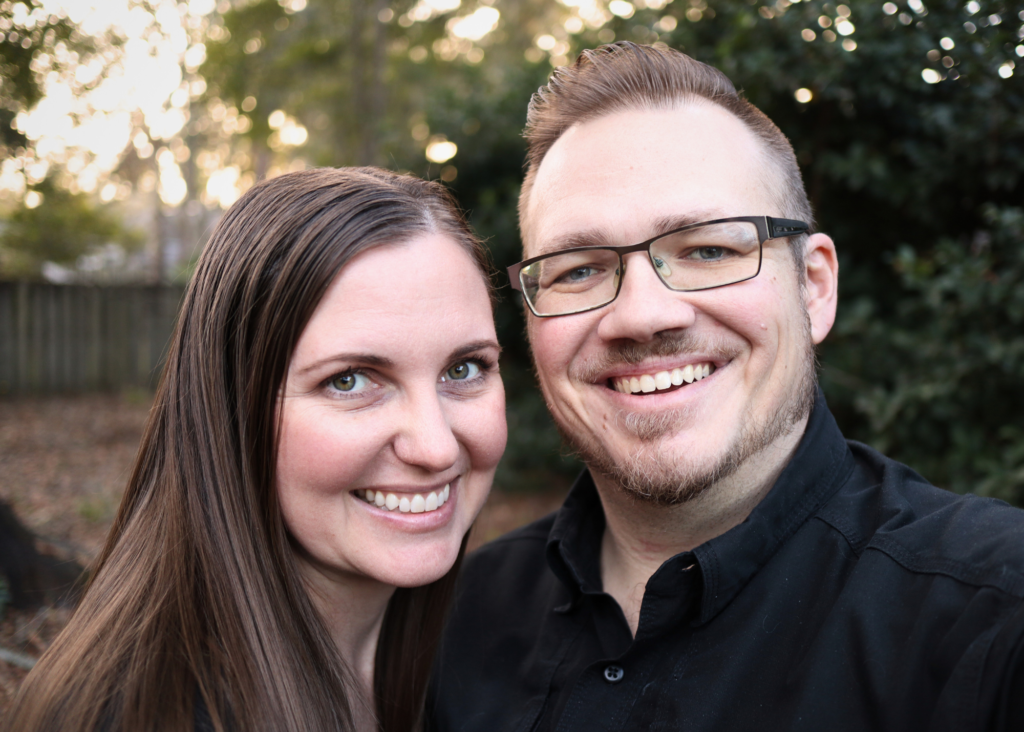
Brandon and Brigitte Beckley are a husband-and-wife team devoted to helping families follow Jesus with intention and joy. Brandon is a former pastor turned entrepreneur who still sees life as ministry. In 2023, Brandon founded Made2Homeschool to help families homeschool their kids with quality and confidence, and is a homeschool dad himself. Brigitte is a longtime ultrasound technologist whose real heart is in the home. She’s a systems-builder and, in Brandon’s own words, helps ground their family and offers an amazing calm balance to his intensity. Brandon and Brigitte have a passion for family ministry, specifically marriage, and believe that building and encouraging the development of strong Biblical families is key to shifting our culture toward Jesus.
- Made2Homeschool online homeschool community
- START homeschool course
- Free Homeschool Style Quiz
- Brigitte on YouTube
- Instagram (Brandon and Brigitte and Made2Homeschool)
Check out all the other interviews in my Homeschool Conversations series!
Amy Sloan: Hello, friends. I am so delighted today to be joined by two guests, Brandon and Brigitte Beckley. They’re a husband and wife team devoted to helping families follow Jesus with intention and joy. Brandon is a former pastor turned entrepreneur who still sees life as a ministry. In 2023, Brandon bounded me to homeschool to help families homeschool their kids with quality and confidence and is a homeschool dad himself. Brigitte is a longtime ultrasound technologist whose real heart is in the home. She’s a systems builder and in Brandon’s words, helps ground their family and offers an amazing calm balance to his intensity. Every marriage needs, you know, a little bit of both, right? Brandon and Brigitte have a passion for family ministries, specifically marriage and believe that building and encouraging the development of strong biblical families is key to shifting our culture toward Jesus. So there’s your official bio there, but here at the beginning, as always, I like folks to kind of tell us a little bit about themselves and their family and also like how you got started homeschooling, where this whole thing started. So Brigitte, I’ll let you get started first and then move to Brandon.
[00:01:19] Brigitte Beckley: So it all started about 14 years ago when we met. So we’ve been married about 13, actually, we just celebrated 13 years together. And then three kids later, and we actually never thought we would homeschool until maybe three, four years ago, yeah. When after Brandon had left ministry because of health reasons, started doing YouTube coaching and actually met a lot of homeschool moms, those were some of his very first clients. And just through conversation, relationship, we were like, well, maybe we could do this. But right now we both work full time and he was working at home doing stuff. I was still outside of the house working in ultrasound before we moved up to where we are in Florida. And we just didn’t think it was in the cards. Yeah.
[00:03:16] Brigitte Beckley: No, no, it’s okay. But then we ended up moving and about two years ago is when we brought our kids home to homeschool. And since Brandon was at home, we decided, hey, let’s just do it. Even though it didn’t look like how we thought it would be because I was still working outside the house and I still am, we just jumped in and I will never look back. And though it doesn’t look how maybe it will in the future, we’re super excited about it. And that’s kind of how we got started homeschooling.
[00:03:47] Amy Sloan: I think it’s really encouraging too, just for people to hear that. Cause I think that that issue of like perfection, like we can’t start until we have all our ducks in a row and it’s exactly this ideal way we want it to be, right? That could really hold someone back. And I love you guys just jumped in. You were like, let’s just get this thing started. So Brandon, what was it like from your perspective?
[00:04:07] Brandon Beckley: Well, I just want to say, one, Amy, thank you so much for having us on here, like legitimately. Um, you interview, interview very cool people and it’s nice to be a not very cool person here anyway. So thank you. Uh, but it was actually really cool for me to be on this side of that listening to her tell it because usually I answer that question for people, um, very much true all that, um, for me it was, we, we, it literally never crossed our minds that I would be the primary homeschool dad. Like, it never, it just never occurred to us as an option, um, primarily because I want to be outside the home. I want to be going, doing, conquering, killing things and bringing them home. Right? Like that’s, and she wants to be home. She’s a homebody. But then we were in the situation we’re in and we were like, well, we’ll have to wait. Rather I’m working with all the homeschool moms on YouTube as she was saying. And we thought it was cool, but we didn’t know that it was for us. I actually totally bought a lot of the typical societal lies about homeschooling, like socialization is a problem and all this other stuff, and I don’t have time for that. But I’m working with these families that are just wonderful, godly people, and we would go and meet with them, because we built friendships, and their kids were amazing. We were just drinking the Kool-Aid from a fire hose, like really hard and fast. And so when we started seeing, like the scales fell from our eyes and we started seeing some of the issues in their private Christian school they were in. We were just like, well, we do have another option here. We actually do. And so we resolved in October or November, about two years ago exactly, to pull both of them out. We pulled my daughter out immediately because that was more of a safety issue. And then we waited for my son because he was in the school play until the end, like the Christmas break, and then he pulled him out. And that’s how we got into it. And it is, I know we’ll talk about a lot of the detail there, but it’s been a wild ride, man. But we, we have discussed it a million ways from Sunday and we do, we literally cannot see we would rather see a situation in which we’d go back at this point, as hard as it is, and man, it’s hard. We would rather live as poverty stricken as I could imagine and still homeschool them than anything else.
[00:06:47] Amy Sloan: We all pick our hards, right? It’s not like there’s some option that’s the easy option and then there’s the hard option, the good option and the bad option. Sometimes just like, I mean, I’m gonna just pick my version of hard that I’m okay with living with.
[00:07:02] Brigitte Beckley: Mm hmm.
[00:08:34] Amy Sloan: Okay. Well, so that was two years ago in the fall. You guys have been homeschooling for about two years now. And I’m curious if there were any preconceived notions you had or that you were like, wow, that really did not turn out the way I thought it was going to be or just anything that has surprised you over these past couple of years, Brandon?
[00:08:57] Brandon Beckley: I think that, you know, the biggest thing, and this is probably a very common thread for homeschool families, is I don’t think the greatest adaptation necessary for the new homeschool family is academic. But rather relational and parental. And you and I have talked about this, Amy, right? You’ve I think you’ve said, and I don’t know where you got the quote from, like homeschooling is parenting or something along those lines. Right.
[00:09:23] Amy Sloan: On steroids.
[00:09:25] Brandon Beckley: Yes. So much. And it’s it’s been. It’s been really interesting, most of what you deal with. So like, OK, school with I’ll take my our youngest who’s in homeschool right now, she’s, you know, she’s in first grade. Our daughter and we are we did her reading curriculum. We did the first day of her language arts curriculum. We did our math curriculum. Took an hour today, right? Maybe a little less. And that was the easy part of being with her today, like the school, quote unquote, the academic side of things, I everybody’s afraid of that. That’s legitimately the easy button. And as long as they’re an elementary schooler and you are of average intelligence in the United States of America and received a K through 12 education, that’s not going to be a problem for you. Like, you’ll totally be OK. It’s the fact that that little person who you love more than life itself is with you all day and they need a parent. And for me, one of the biggest hurdles to overcome has been, and we can talk more about this later, the fact that I’m trying to work and homeschool them, right? That’s a whole other monstrosity. But the biggest surprise is that it is more parenting than it is teaching.
[00:10:46] Amy Sloan: Yeah, we talk a lot about, you know, homeschooling being relationship, right? That’s like this wonderful thing. It’s this gift of homeschooling. You get to see your children’s hearts and you’re like discipling them all the time. It’s like, yes, so we’re discipling them all the time. So that’s the best gift of homeschooling. That’s also the hardest part because not only do we get to see all their sins all the time, but they see all of our sins all the time. You can’t hide. You can’t hide from your kids. So that’s definitely a sanctifying place to be. How about you, Brigitte? What have been some maybe things that have surprised you over the past couple of years?
[00:11:26] Brigitte Beckley: Something that has surprised me, but like has been a big blessing is their relationships with each other. And it’s not like they, I mean, they probably still fight just as much, you know, they bicker and this and that, but I really think that they are closer now because they are each other’s playmates the majority of the week. It’s not like they stay home 24 seven and we keep them in a bubble. Like we have friends and we are at church and we have things that we do, but by and large during the day, like they’re home together and if he’s working and they’re done with their schooling, they play, but they play with each other. And so it’s been really cool to see how they are getting closer and then just learning how to be with each other, learning how to compromise, learning how to like work together. And that’s been really cool. And I really love that part of homeschooling because I want them to be really close. Like I grew up in a public school, Brandon did too. And so our siblings, you know, they were in different grades they were either in different schools, different classes, like because of age differences, you know? And so I really hope and pray that they are closer to each other as they grow and stay that way as adults, because that’s such a gift. And so that’s been really cool. And I just think also being able to direct their learning to the things that we desire, like and seeing the fruits of that, I think is really cool. So I do read alouds with them in the evening, since I’m obviously working during the day outside of the home. And so I read things that I also want to read. And then we like talk about them and it’s like, it’s just so cool, you know? And then I get to teach them things that I am knowledgeable about. Like, so we’re doing a little anatomy, like curriculum that we’ve kind of made up. And so it’s really cool. Cause like, I have been studying the human body since like, you know, high school in depth and something I do every day. And so they’re asking these questions and I’m like, and it’s just, it’s an overflow. And it’s such a cool thing to be able to, like, impart that to them.
[00:13:42] Brandon Beckley: I mean, who gets to talk to their 10-year-old about the mesentery, really? Yeah.
[00:13:47] Brigitte Beckley: So I have found that to be, like, surprising, but, like, really cool.
[00:13:53] Amy Sloan: I like to say that, like, a parent’s enthusiasm really is the secret sauce of homeschooling. And what’s so neat is God gave each parent their own unique, like, nerdiness, right? we all have our little quirks, the thing that we’re really interested in and passionate about, and we get to share that with our children. And it’s not like, well, that’s the most important thing every family needs to be doing with their kids, right? That is such a gift we bring to our children. And that enthusiasm really, I think, is worth more than any workbook or textbook or worksheet you do, because you’re just giving, oh, isn’t it so exciting? We get to learn together. This is awesome, you guys. I love that. Yeah. Well, what have been some of your favorite parts of this transition, these sort of new years as a homeschooling family, Brigitte?
[00:14:42] Brigitte Beckley: I love the freedom. And so we have obviously a different dynamic than maybe most because I do leave in the morning. I leave at seven and I don’t get home until probably five now. I do five days a week. And so I don’t have to shuffle the kids around. So there’s a lot of freedom in that. I actually probably get more time with them, even though I’m working five days in a row, which I didn’t used to do, but I’m not taking them. I’m not dropping them off. I’m not having to get them ready.
[00:15:17] Brandon Beckley: Like- You’re not waiting in car lines.
[00:15:19] Brigitte Beckley: I’m not waiting in car lines. Like, and so when I leave, they’re here. They send me off. They help me bring bags to the car. Like when I get home, they’re there, they’re waiting and they, you know, help me bring everything in. And so I love the freedom of that. And I think it makes my heart happier and comfortable that if I can’t be with my kids, at least my best friend is with them. Their father is with them, you know, and they’re not at some school. They’re not with people I have no idea about. They’re not with children that are very questionable in the way they act, you know, and like they’re with, if they can’t be with me, this is the best person to be with, you know? Like one of us there, teaching them, shepherding them, discipling them, loving on them, like what else is there? You know, so the freedom to not have to do all of that, that goes with bringing them to school, but then the freedom to like make our own schedule, You know, if I have off, we can go do whatever, you know? And so that freedom has also been really cool because we’ve been able to capitalize on, you know, the off times to go take trips or- Go to the zoo. To go do stuff around the house, you know, around town. So really the freedom I have loved. That’s been one of my favorite parts.
[00:16:44] Amy Sloan: Yeah, I appreciate that so very much. And more and more even just over the past couple of years, like something I’ve always appreciated, but even more so like life can suddenly throw something that you weren’t expecting, right? And in the midst of those times, I appreciate even more the fact that we are in charge of our homeschool schedule. Like we get to make the priorities, set the schedule, work around the family rather than the family having to work around the school life. Just such a good, yeah. Well, Brandon, what have been some of the challenges that you have faced over the past couple of years and how have you sought to overcome those challenges?
[00:17:20] Brandon Beckley: Well, Amy, there’s been a few, uh, look, I think that, um, I think homeschooling is the ideal for any given family. I don’t know that, you know what, I don’t think if people, I think if people don’t want to homeschool, they shouldn’t yet, right? Because I’m prefacing, there are so many challenges. It’s really hard, but I think if we who have homeschooled for more than five minutes are honest about the challenges, most of them, in my experience, and maybe this is just because of how depraved I am, most of them come from a need for sanctification in my own heart. Because most of them are like, well, I can’t get the work done I want to get done and do their school. doesn’t take that much time, right? Like, can I can I really? Well, yeah, but I want to breathe there. OK, well, that’s about me. Well, it’s not bad. Maybe I need to relax, but OK, the work’s really important. But the kids are really important. That tension is probably my biggest thing. But I could do it better. Right. Like. And then if my kids are watching me, is my lesson to them, hey, this is really hard. So I’m going to be bad at both of those. Or is my lesson to them? Hey, I have a really hard challenge in front of me. I’m preaching to myself as I’m talking, by the way, like actively.
[00:18:51] Amy Sloan: I can hear you’re like, you’re like, okay, self, just remember this on Monday that I told you.
[00:18:56] Brandon Beckley: Literally right now. And why am I saying this in front of my wife? Like what? But like, can I show my kids how to handle a difficult situation better by sitting down with them and processing that? And I think that for me, part of that is also, I was thinking about this earlier, actually, you know, our kids are different humans than us. And despite the similarities that will just naturally be there, whether genetics or environment or whatever, in personality, they’re going to have different personalities. And I’m trying to deal with these different personalities that I’m responsible for shepherding while I have my own personality. It’s very different. And part of mine is like, I, I hate being boxed in. I hate a rigid schedule gives me like anxiety. And I want to punch through a wall like bull China shop. That’s my feeling. When you tell me rigid schedule that she thrives in it. It’s wonderful. The kid’s got that. Okay. The kid’s got her and they need that. And so maybe this is coming back to like the whole self sanctification thing. like, okay, well, they’re my responsibility, not my own preferences. So the challenge is adapting myself to them. But I think that if it weren’t that it would be something else. Because we’re dealing with different human beings who are developing. And I think every single day with every interaction with our kids, we have an opportunity to show them the path of life or death, right? Which one is best? Yeah.
[00:20:37] Amy Sloan: Yeah. I think it’s really important for homeschooling families to hear that though because especially, you know, new homeschool families, I think that there is an expectation or people talk, you know, you see on like, oh, homeschooling is like easy, it’s like the easy button or the easy option. It’s like actually not. It’s actually hard and we have to take it seriously.
[00:20:58] Brandon Beckley: Yeah.
[00:20:58] Amy Sloan: This is our vocation. We don’t get to just bring our kids home and say, I’m going to homeschool you and then just sort of like go with the flow. Yeah. responsible for our children, you know, we know that as Christian parents already, we’re responsible to disciple them and point them to Jesus, but when we take on the responsibility of their education, like we are actually responsible to educate them well, and so that doesn’t just happen. That has to be purposeful and that’s hard, just like any other job, right? Any other thing that we’re doing, it’s hard and, you know, you add in the personality stuff and that makes it even more complicated sometimes, but I think it’s really important and something that I think homeschool parents need to take seriously, is that when we commit to educating our children, we need to actually take that seriously and take that job seriously.
[00:21:46] Brandon Beckley: Yes, ma’am. Agreed.
[00:21:48] Amy Sloan: I’ll play this back for you next week. Yes.
[00:21:52] Brandon Beckley: I agree with you 100% Amy, and obviously you know this far better than I do. You have so many, you have years of experience in this that I don’t have yet. So obviously you’re right, But like, I just was thinking specifically about, um, you know, none of us have Christians. I think of, I don’t know any, at least who have sat down with their Bible every single morning. Like you miss some days, right. Okay. But then you’ve got your kids with you and then they know when you do. And when you don’t sit with them and open the word and you said you were gonna, and then you don’t, You’ve made a commitment and you’re showing them commitments matter or don’t matter. And like so like this morning, so I’m like, I don’t feel like it, but I cracked open the Bible and we went to Genesis three anyway. And oh, my gosh, we had an amazing conversation.
[00:22:42] Amy Sloan: Like anyway, I’m yeah, no, and in the midst of our weakness and our failures as parents in front of our children over and over and over again, right, because they get to see it even more than they would otherwise when we’re homeschooling. It’s also the time where it’s like, yes, we get to show our children, mom and dad need Jesus too, right? Like, this is not just something I’m telling you like, wow, you really need Jesus, little ones. It’s like, no. You see how mom, you see how dad, we just failed? Yeah, we need Jesus too. So it’s, you know, I like to think even in our failures, we’re also getting an opportunity to show the gospel to our children.
[00:23:16] Brigitte Beckley: Yep.

[00:23:18] Amy Sloan: Well, as you look forward to this, this new year, okay, so you guys are total, you know, non-newbies anymore. You’re just experts after two years, right? We’re moving past that, moving past that new homeschool. Moving on. Okay, no, kidding aside. You’ve like seen some stuff, you’ve figured some things out, made some changes. What are some things you hope to either change or refine in your next year of homeschooling? And I’ll let you go first, Briggite.
[00:23:47] Brigitte Beckley: So one thing we did after the first year because we do have this different dynamic and he’s the one that is sitting with them, is I would grade their papers. I started grading their papers and I could write notes back and then I could see what they were actually learning, what they were doing, where they were needing work, and then I could have more of a conversation about it with them because I was involved in that way. So even though I wasn’t sitting there teaching them, I was looking over their work and being able to give feedback. And so then it felt like I had more of a role with them and it let me be more connected to them. And then we decided also that I would teach maybe like one or two like extra subjects. So like I’m doing geography with them. We just started that. And then I’m doing anatomy with them. And so we did kind of a soft start. So I started with geography one night a week and then anatomy was another night. And so we’re kind of working those in consistently. And I think that that has been really good, but I feel like if I was to try to do like math, then, well, first of all, I don’t wanna do math. Second of all, that’s why it wouldn’t work. But it would, I don’t have the bandwidth because I am outside the house to do that every day, you know, whereas he can sit down with them and easily do it at their best time, which is in the morning. And then more of a time that’s convenient for him where he’s not exhausted by the end of the day and I’m not exhausted by the end of the day. And so we capitalize on that. So he would do more of the core subjects. However, working and doing that, even though it doesn’t take a lot of time, we do want to add in more subjects. We’ve only got a handful right now and we would like to make it more well-rounded. And so I think we would consider, and we’ve talked about it, finding more online sources for some of those subjects.
[00:25:48] Brandon Beckley: Like elective stuff.
[00:25:49] Brigitte Beckley: Yeah. It’s maybe some history or some sciences, something like that, where there could be some more feedback for them, but gives him more flexibility to set them up, start this or whatever, and then be able to do some work at the same time. And so I think exploring online options and some things has been something we would look into in this coming year. I don’t know if you would say anything different.
[00:26:19] Brandon Beckley: Yeah, I think I was thinking some of the same stuff and some very different stuff, actually. But I think that that’s because our target for how we’re gonna homeschool, it’s not that just that it has shifted, it’s the way we think about what we’re doing totally changed. The flexibility, I think, we feel. I underestimated early on, I think, the rigidity of a traditional public education and how it was baked into me. Like, I still have all that. I still think, well, this has to happen this way because that’s the way it’s always been and done, even though I wouldn’t say that. Intellectually, I know better, but we still wrestle with those tendencies, and so we’ve let go of some of that. One thing we changed part of the way through last year, and then we kept for this year, and this is gonna fly in the face of what I just said about flexibility, basically. I made a spreadsheet schedule for every single lesson, for every subject, for both kids for the whole year, for all of their work.
[00:27:31] Brigitte Beckley: For their core.
[00:27:32] Brandon Beckley: For their core subjects, yeah, I’m sorry. Yeah, for for for math, reading, language, arts, well, science, geography, anatomy are on there, too. And. But I did it. This is actually a principle I learned in the church a long time ago. There was one of the pastors was speaking and a visiting speaker had challenged him on being too stuck to his notes. And there was you know, there’s a whole thing there. It would be different in different denominational backgrounds, let’s say, But this person said, hey, if you always are stuck to your notes, you’re not leaving room for what God might be doing in this moment or to address certain issues. I’m like, okay, I hear that. But I think that what I took away, there was a whole thing that happened to the church. Those conversations made me walk away with, it’s a both and. Excessive preparation Preparation allows for flexibility. So we went over the top of the preparation and mapped out every single lesson planned for the whole year ahead of time in one block. But now something comes up. I can go in there, highlight every cell after today and drag it. And it’s fine.
[00:28:49] Brigitte Beckley: Wow. And because we also homeschool year round because we, again, capitalize on the freedom and we take breaks that when they’re convenient for us. So big times during the year where we have events or whatever. And so we take off those times, not like the spring break and the Christmas and the three months of summer. And so we have built in, like, I don’t know what you would call them, flex weeks or.
[00:29:12] Brandon Beckley: So it’s basically. So this year we’re trying and we might change it. My whole point is like we might change it again, but we’re trying three weeks on one flex week where we’re doing like like they might do like I excel on the computer or whatever of that week, like, or catch up if things have gotten messed up and then an off week and then three weeks on a flex week and an off weeks for you and try it. I don’t know. We’ll see what happens so far. I’m loving it. And I never even considered that last year because I basically, we get the book, right? Because we’re, we are not traditional schooling, but we are using a curriculum for the core subjects. And I got, you know, like the Christian light education, language arts book. And I opened it up. Okay. These are the lessons. This is what we got. We’re doing this every day, right?
[00:29:57] Amy Sloan: Yeah.
[00:29:58] Brandon Beckley: Because what else am I going to open the box and do the thing? I don’t know. You guys taught me differently. You’re helping me expand my mind on this.
[00:30:05] Amy Sloan: Yeah, well, it’s great when you can sort of get in a good routine and you just do the next thing. Yeah. And then you have the flexibility. I like to say if you plan like a pessimist, then you can execute like an optimist. So I love that you were able to, like, really plan, you know, Think about your actual life and what was going to work. And then once you’ve done all that work ahead of time, then on the day-to-day, you really can just be flexible and be like, hey, it’s not a big deal. We missed a thing. Somebody got sick. You know, all right, well, we’ll just do the next thing tomorrow.
[00:30:35] Brigitte Beckley: And because there are two of us that are trying to homeschool, like we can look at the spreadsheet. It’s printed out as well as digital, obviously. And so like I can see what are they supposed to be doing? What am I supposed to be grading? Like, are they on track? OK, well, we need to do a little catch up or OK this week. You need to catch up on this. And it just keeps us on the same page, too, because we are both involved in it, which is helpful.
[00:31:00] Brandon Beckley: I OK, I’m going to I’m going to throw out a grenade here, Amy. It might be a bit of a hot take. I wasn’t planning on this. Can I do this? Is that OK?
[00:31:06] Amy Sloan: Oh, sure.
[00:31:06] Brandon Beckley: Sweet. You like spicy stuff. Here we go. Ready? I never thought about this, and I’m thinking about it out loud right now. I don’t know that I can experience much grace in my heart. If the situation is flipped and the father is working outside the home, the mother is in the home being a homemaker, homeschooling the kids. I don’t know if I can have a lot of grace for guys who aren’t super involved. Because she doesn’t just work 40 hours outside the home. I work at least that much every week and I’m homeschooling the kids. But she also comes home and does the bulk of the housework, honestly, she really does. And she still helps with the homeschooling. So like if I were for it, for the average dude who’s working 40, 50 hours outside the home to not at all being involved, and I’ve heard this from guys, dads, if you’re listening, you can do it, you can be more involved. Because I will also say there is something about in a marriage, any part of your life that is not something on which you have good communication in your marriage is a is a is a gap it’s a gap in your relationship and like here’s another thing that is not a gap for us it’s a bridge because like we were we were away for our anniversary and homeschool stuff came up and she’s a part of it and like we actually talked about it together and she does some of the subjects and the kids aren’t seeing just one parent as the primary educator i’m sorry for for processing that loud, Amy. No, go ahead. I was thinking about how much she does, and I’m like, if it were flipped, I’d definitely still be involved, but I hear a lot about dads who aren’t super involved. I don’t get that, so those are my two cents on that, and they’re not very well thought out, but that’s what I got.
[00:32:58] Amy Sloan: No, well, it’s at least something to consider. I do think on another, yes, what you’re saying, and different couples are gonna have different dynamics, regardless of who is the primary educator at home, right? There are different ways in which unified connected couples will then express that in the kinds of things they discuss. How detailed does one or the other spouse really wanna get? I know couples where the husband is the one working outside the home, right? And he was like super involved. He wanted to look at every single textbook before they picked them, okay? So like before they would pick their curriculum for the next year, like it was really important to him that he be the one to look at everything with his wife and like they didn’t choose anything that he hadn’t looked at and chosen as well. And that worked out great for their family. That was good for their marriage. For my marriage, my husband is like, I trust you. I am delegating this role to you. And like, we talk about like our big goals, you know, our bigger visions of things. But as far as the, like, what math curriculum we pick, like, I just get to pick it, right? And that works well for us. And it’s not that one is the right way to do it and one’s the wrong way to do it. It’s just every marriage, I think, is gonna figure out what works best for them. But I totally agree with what you were saying, that it being a team, a team effort, that both people are- Just some connection there. Yes, the connection, both people being fully engaged and involved, because it’s very hard if only one person is like caring about it and the other person doesn’t. So communication, you know, using your words, like we tell our small children.
[00:34:42] Brandon Beckley: We’re working on that right now. Yeah, with our two-year-old, use your words. Usually the word is no, by the way.
[00:34:50] Amy Sloan: Yeah, I don’t know.
[00:34:51] Brandon Beckley: We’re working on it.
[00:34:52] Amy Sloan: There’s songs about that. Brandon, what are some things that you wish you had known before you started homeschooling?
[00:35:02] Brandon Beckley: I wish I had known, um, that it’s okay, like that it’s okay if I fail sometimes. Like, I wish I had known the things that I would definitely have told anybody else automatically, just like as an overflow of my theology of forgiveness, right? Like, it’s okay, but gosh, I It was really hard on myself internally. I don’t think I’ve been said how much at the beginning. And. This is this is counterintuitive, and this might increase some homeschool families, I don’t know. But we we tested our kids this past year. At the end of the year, we did CLT for our fourth grader then and. He was off the charts, he did great, he did great. But oh, my gosh, how many times I was worried that we forgot this part of the lesson or we didn’t do the creative activity or like the game, the game that’s in the math book you’re supposed to do. I’m like, he gets it. I’m not doing the game. But then I feel badly that I didn’t do the game. There’s just so much you can do. So much you could do and so little you can actually do. And I think I was probably my own worst enemy last year. It was really hard on myself. Less so this year. But I think for me, it’s because I got to see the fruit of a full year. And so maybe the one thing I wish I could go back and tell myself is like, dude, just chill. It’s OK. Get through the year review and see how the kids are doing. Right. Like, have they grown in this last year? And in the end, you’re going to find out if you’re doing something, they’re probably going to grow that year.
[00:36:52] Amy Sloan: So I don’t know if that was a straight answer, but yeah, no, I mean, we do not have to do everything in the textbooks, right? Like a lot of these, they give you way more than you actually need. And I talked to so many homeschool parents who are like so stressed and so exhausted because they’re like, we can’t get to everything and we’re always behind and I’m failing my children. I’m like, if you do half of it, you’re doing okay. It’s all right. And I’m always the one to skip the game. Don’t tell my game schooling friends, okay? How about you, Brigitte? Is there anything Anything you wish you had known before you guys started this journey?
[00:37:30] Brigitte Beckley: How awesome it is. And that it is possible, even when it doesn’t match the ideal in your head. And I just would never go back. I love that we get to see them thrive. in life and just it’s another way to connect with them when you learn with them you know and so if we could have started it sooner like I don’t know how we would have logistically because we were both working outside the home but like but if there’s at any way possible like do it you know if that’s something something that you want and so like, I wish I had known that there’s a way.
[00:38:23] Brandon Beckley: We just really didn’t believe there was a way.
[00:38:25] Brigitte Beckley: Yeah. And I, because of life circumstances, we actually were like, well, maybe we could do it like this. And we didn’t know any other homeschool dads, but now I know several of them.
[00:38:37] Brandon Beckley: They’re out there. They really exist.
[00:38:39] Brigitte Beckley: Yeah.
[00:38:40] Amy Sloan: Yeah. I’ve, I’ve interviewed someone who was, the husband is the primary educator and I’ve interviewed couple people where the couples are like joint educators and I just think it’s really cool how many different ways homeschooling doesn’t look just one way and I think now like this generation of homeschoolers even more than when I was growing up like just is very much like we want to homeschool and we’re going to just like figure out how to make it work for our family and I that gets me really excited.
[00:39:07] Brandon Beckley: I will say what’s interesting is with every homeschool dad I’ve met that all of them have either a full-time job or a full-time like ministry job in addition to being the homeschool dad. Like I actually haven’t met a homeschool dad who’s just like a, I don’t want you to call that, stay-at-home dad, but that’s an interesting thread. But it is just so much more doable than we ever thought it was.
[00:39:31] Amy Sloan: Yeah, and I feel like you’re already kind of answering my next question, Brigitte, with what you were just saying. But if you were talking to someone who is like considering homeschooling for the first time, what encouragement would you give that new homeschooler?
[00:39:46] Brigitte Beckley: Do it. In fact, what’s so funny is I had a patient and some of my scans are like an hour long. And so when I’m chatting with her while I’m doing my work, she was talking about how she was moving and she really wanted to like homeschool her daughter when she gets a little bit older. She’s three now, I think, and she was pregnant with another. And so I was kind of like, you can totally do it. Like she would end up working like part time or something like that. And I was just like encouraging her. And then, of course, I told her about made homeschool, which we can talk about in a little bit. But just like if you want to, like there is a way, you know, and some people, they homeschool and they have to work, you know, let’s say three or four days a week. but they have, you know, their parents who watch the kids like homeschool them the one or two days that they’re not with them or something, you know, like there is a way, like sometimes you have to think outside the box or be creative, but you can totally do it and it’s worth it. Like it is so worth it to connect with your children and see them thriving in that way.
[00:40:58] Amy Sloan: Yeah, I love that. I’m gonna make sure in the show notes for this episode at humilityanddoxology.com, I’ll make sure to link to some of the past episodes I’ve done with people who are doing homeschooling in very different ways. So I’ve talked to people who there’s one parent who’s working full-time and is the sole educator, to people who are like traveling and homeschooling on the road, people who are just doing things differently. So I’ll round out some of those previous conversations and include them in the show notes for this episode, just to like help people kind of get that vision for outside the box thinking. How about you, Brandon? What advice or encouragement would you give a new homeschooler?
[00:41:37] Brandon Beckley: I think most folks who are struggling with it, as you were talking, babe, I was thinking through this, there are usually two, I think, primary schools of objection and it’ll be objection against the idea. But if you like the idea of homeschooling, I think that you either are afraid that you can’t or maybe aren’t convinced you should, right? is like the ability and is it the right choice? And I think that the ability thing we can speak to. I think I also do want to say one quick thing to the right choice piece, specifically to the dads. Because I do meet a lot of families who totally can and yet aren’t convinced they should. And I will, probably what I’ve seen the most is in the church, dads, I mean the Big C Church, dads who, because it’s what they experienced, think that a public or private education is the best for their kids, and they’re afraid that they’ll be doing something wrong by the kids because they want the best for their kids. And they know about as much as homeschool as I did four years ago, which is nothing. And I would just say to those dads, I probably you believe that what your kids believe is the most important thing you can imbue to them, that their worldview is more important than their math scores and that who they are is more important than what they do. If that’s the case. The number one best opportunity you will ever have to inform those things in your children’s character and mind and heart is by homeschooling. So let me just encourage that should like if you want to change who your kids are for the future, homeschooling is your best chance. And on the ability side of things, I know I just I’m very careful never to shame anybody because we’re making it work. It’s hard. My mom was a single mom who like literally when I was a teenager was many times driving cab 20 hours a day. She slept in her cab. She ate in her cab. She dropped off cash. I got groceries and fed the kids like some people can’t. To that, I would say, man, I wish we as the big C church could do more with that. But short of that, far more people can than think they can. Like far more. You mentioned this single parent working full time and doing it. I don’t know how, but God bless this woman, literally, I pray that God blesses her and like equips her and provides for her because she’s doing tremendous work because she’s putting her kids first. And if you think you can’t, I’m not saying you can, and I’m not going to shame you. Like, obviously, you love your kids and you do the best you can with them. But I would encourage you, question that further, talk to somebody who is, talk to a few people who are, check Amy’s show notes and see some of those examples, because you might be able to.
[00:44:57] Amy Sloan: Yeah. At least being willing to open your mind to the possibility, right? That’s a good first step. That’s a good first step.
[00:45:03] Brandon Beckley: Yes. Yeah.
[00:45:05] Amy Sloan: of what can make homeschooling difficult is people feel like, I don’t know anyone who’s homeschooling. I don’t feel like I can do this on my own. I will say, you can’t do it. Don’t try to do it on your own. We’re designed for community. We need encouragement and support. And I know that’s a big part of the heart behind why you guys founded Made to Homeschool a few years back. So talk to us a little bit about Made to Homeschool, what kind of homeschoolers it’s helpful for. Yeah.
[00:45:35] Brandon Beckley: My hope is that it’s helpful for all kinds of homeschoolers. My personal bias as a newer homeschool parent myself is that we equip and encourage parents who aren’t sure that they can or are just getting started. Because, you know, you’re familiar with the Dunning-Kruger effect, maybe where you’re like, oh, I know a lot about this thing. OK, it’s like there’s a curve, right? I know so much about this thing. And then you get into the thing and you’re like, oh, my gosh, I know nothing about this thing. And then you slowly start to learn about the thing, right?
[00:46:06] Amy Sloan: OK, it’s like when you’re the perfect parent, like before you ever have where you have kids and then you’re like, whoa, I have no idea what I’m doing.
[00:46:14] Brandon Beckley: It’s exactly that. Yes. Right. So I think this is homeschool was like that for me, because. Once we were even decided, and I’ve been drinking the Kool-Aid from you guys for a while, I was like, oh, we’re just going to do this thing. And then I was like, all right, what are we doing? and just the mountain, the voluminous cascade of curriculum options and educational styles and personality things and schedule categories. It’s too much. It’s too much. My hope is that we can be a place with enough trusted voices in it and the right community vibe, for lack of a better feel right now, better word right now, that people can trust us to come and find answers to those questions that they can filter through some of the junk. And I think it’s made homeschool special because the answer I hope you’ll find is not just from somebody touting themselves as an expert, but from experienced people who are going to say, hey, this is what worked for me. And then somebody else say, actually, this this worked for me. And, you know, know, most of those options are totally fine. But you’re going to have actual people who are going to help you along the way instead of what else we’ve found online, which is a lot of shaming about the way you do things. I hope you don’t find that it made to homeschool. If you do, please let me know. Personally, I would love to know about that. But I hope it’s just a place where people can come and be equipped and encouraged and find community. And we found that whether you’re rural or in an urban area, sometimes it can be really hard to find that community. And obviously, there’s no replacing the in-person experience. But we’ve heard from a lot of people how helpful it’s been. And I will say personally, as a member of Made to Homeschool, it has been really helpful for me. I have learned for Amy. I cannot tell you how many times I’ve been in a workshop that you’ve personally been leading. I mean, like, oh, that’s good. And I take it down. but it’s something I can practically apply in my homeschool. So that’s my spiel.
[00:48:27] Amy Sloan: Well, I’m really glad to hear that because that is what I always, the heart I bring to my workshops. How about you, Brigitte, anything you would add to that?
[00:48:36] Brigitte Beckley: I just love our community. And I love that it’s not about one person, one personality who’s saying, do it this way and it’ll work out and you’ll be fine. and this is the answer to everything you have problems for, you know? Because that doesn’t work, right? Like, we are all uniquely created and we’re all very different and our family dynamics are different and our children are all different from us, from other children, like everyone is so unique. And so having people that can, in a community, say, well, here’s what I did, here’s what I did, here’s what I did, and maybe the person who is asking the question takes a little bit from everyone and makes it their own and makes it work for them, But without having that community vision of all of those, they would never get to that point to say, oh, you know what? But if I do this and this, I could do it like this, and then it works, you know? Like, they would never get to that point. And so I feel like community is so vital because we do need each other, even just to see, okay, they can do it like this, I could do it like this, and just to get encouragement from that because we all have bad days, we all face problems, and we all just sometimes need someone to say, it’s gonna be okay, maybe try this or that, and pray, and you know what, tomorrow is a new day. And so I just, I love our community. It’s for everyone, especially if you’re considering homeschooling or starting homeschooling. But there are so many people that are in it that have been homeschooling for a while that are giving such wisdom to those new people that I haven’t graduated high school, but I know lots of people in our community have, and I will be coming to those people when I get to that stage, because you always need someone who’s a little bit farther ahead of you on the life game, right? So I just love that there’s a variety of voices in there, because that’s what we need to reach us, you know? Like that’s what people need to hear.
[00:50:34] Amy Sloan: I think that was one of the things that really drew me to be part of the team when We Need to Homeschool started, is because I’ve been in this homeschool world for a long time, and I see, you know, Well, all the people who do things this way, they get over here unless you’re not doing it the way they think you ought to be doing it, and then you’re kicked out of the group. And there’s so much disconnection among the different styles and philosophies of home education. And I really believe we’re strongest when we learn from each other. It doesn’t mean that we don’t have our particular homeschool philosophy or a perspective on education that guides our unique family’s homeschool, and that’s important and that’s good. In fact, we have a Made to Homeschool style quiz. I’ll put the link in the show notes. Yes, you can find your style. So that’s good. It gives you like a philosophy, right? But don’t get so focused in on that one thing that you can’t listen and learn from other people. And so I love the variety, the experience that people bring. I just think that’s, I think it’s really valuable to be a place where many different kinds of homeschoolers can come together and listen and learn from one another. I think, yeah, that’s one of the things that I think makes Maytome School actually really special and unique.
[00:51:45] Brandon Beckley: Much agreement. I agree, yep.
[00:51:48] Amy Sloan: All right, well, this has been fabulous. I am so excited we were able to finally, we’ve been talking about doing this episode for so long and all the schedule calculus finally aligned. So thank you for taking time to chat with me this evening. But here at the end, I do wanna ask you the questions that I ask all of my guests. So the first question is, what are you reading lately? Brandon.
[00:52:13] Brandon Beckley: I have been in a men’s group that is doing a book study together on John Bevere’s book, Called. I think you are called. And I am going to give it a read carefully recommendation. Cause I’m actually, I’m finding a lot of things that I don’t concur with. You know, it’s important that we be discerning in the things we read. And there’s a lot of good stuff in there, too. But, you know, even even with Christian authors, it’s important that we filter carefully through the through the lens of scripture.
[00:52:47] Amy Sloan: Yes. Reading with discernment. How about you, Brzee?
[00:52:51] Brigitte Beckley: So I currently spent the last, like, four months studying for a board test for work. And so that took a lot of my reading time. However, I did just finish with the kids. We read The Winged Watchmen, I think it was called. And it was a very good book. I loved reading it to them about a boy and his family in Holland during World War II. And it was very good. Loved it.
[00:53:18] Brandon Beckley: Yours is cooler than mine.
[00:53:20] Amy Sloan: Well, read-alouds totally count. I count all of my, the read-alouds, I count them on my personal, you know, reading list as well, so. All right, final question is, What is your best tip for turning around homeschool day or just a day in general that seems to be going all wrong with the family?
[00:53:42] Brigitte Beckley: Maybe music or getting outside or coffee. One of those. All of them. Coffee for the kids. Probably. Don’t get it. Coffee for me. Coffee.
[00:53:53] Amy Sloan: With coffee as we go outside. Yes. How about you, Brandon?
[00:53:59] Brandon Beckley: I would say it depends on in what in what way way it’s gone off the rails. Right. Cause I have some days, uh, where really I just need to like, lay down the law and like, say, no, we’re going to push through kids. This is part of life. We’re going to make it happen. Um, we don’t, none of us feel like it, but we’re going to do it. We’re just going to do it. And then there are days where that’s what you’ve been doing for a long time. And you’re just like, kids. We’re going to the park and then we’re going to Culver’s for lunch. And that’s OK, too. I did that today, but we did do all of our school, though. And I think it’s. Going back to a theme that I think I hope I hope was clear. Flexibility is a thing we are growing in our homeschool and no child and therefore no home is a cookie cutter situation. And so I hate to give a prescriptive. If you do this, it’ll fix your homeschool day. No, man, know your child, know your heart, know your home, know your day, and correct appropriately. That’s what I got.
[00:55:12] Amy Sloan: Yeah, good words, good words. Well, where can people find you guys all around the internet?
[00:55:18] Brandon Beckley: Well, you can find us, obviously at madethehomeschool.com with a two, M-A-D-E two, homeschool.com. But also you wife in YouTube.
[00:55:29] Brigitte Beckley: Yeah, if you just search my name on YouTube or Instagram, Brigitte Beckley, I have a channel that I haven’t posted in a little while. I will be.
[00:55:37] Brandon Beckley: But if you like sourdough, go check her out.
[00:55:39] Brigitte Beckley: You know, a lot of homemaking stuff over there, not as much homeschooling at the moment and then on Instagram.
[00:55:46] Brandon Beckley: And then Brandon Beckley on. All of the Instagram. X. All the places. All the places. Yeah.
[00:55:54] Amy Sloan: I will have links to all of those things in the show notes for this episode. So folks can find, you know, sourdough help, made to homeschool help, interesting quirky things from Brandon. You never know what he’s going to say, you know. I will put all those links down so that you guys can easily find them and follow Brandon and Brigitte. And I would love for you to take a moment to share this episode, maybe with a person that you know that is considering homeschooling, maybe is teetering on the fence. They’re not sure if it’s possible. I think this could be a great encouragement to them. And definitely come and subscribe to Homeschool Conversations with Humility and Doxology if you’re a new listener. And until next time, happy homeschooling.